
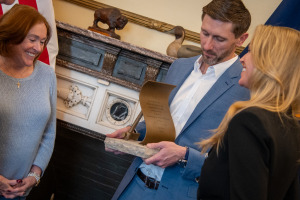
Forrest Lucas posthumously honored with 2025 Sachem Award
Lucas, who died in August at age 83, is the 20th Sachem Award honoree and the first chosen by Braun.
Lucas, who died in August at age 83, is the 20th Sachem Award honoree and the first chosen by Braun.

Lawmakers can meet until mid-March during a non-budget year, but plan to adjourn early to offset the two weeks they spent this month on a failed partisan redistricting proposal.

The growing push for an Indianapolis casino is getting an assist from Visit Indy, with the executive committee opting to publicly back the effort.
Despite Thursday’s positive forecasts, Republican state fiscal leaders showed no signs of any spending boosts for the tight budget that took effect July 1.

For several years, the common refrain among some state lawmakers has been that they had no desire to tackle the issue until the federal government reclassified the drug. That argument will be removed if the president’s order receives federal regulatory approval as directed.
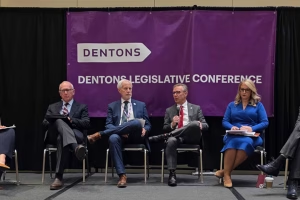
Indiana legislative leaders leaders are already thinking about how they could replicate the Indianapolis Local Education Alliance’s proposal in other parts of the state.

Speaker Todd Huston, R-Fishers, said it speaks to Indiana’s reputation that a premier sports franchise like the Bears would consider placing a stadium in the region.
Officials confirmed during Thursday’s meeting that the Indiana Office of Inspector General has already referred the matter for criminal review, and that process remains ongoing.

Senate Bill 110 would revert the board’s makeup to what it looked like before the 2025 legislative session, with five governor-appointed members, three alumni-elected members and one student representative.
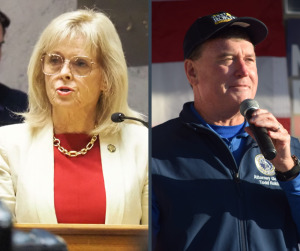
Attorney General Todd Rokita’s lawyers argued that Sen. Liz Brown’s grievance was “meritless on its face” and was filed in retaliation for statements protected under First Amendment free speech rights.
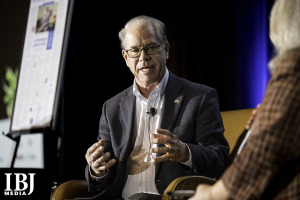
In a sit-down interview with IBJ, Braun talked about the possible ramification’s of Indiana’s redistricting decision, how he plans to work with lawmakers moving forward and other priorities ahead of the remainder of the legislative session.
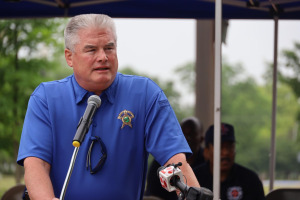
District 31 is currently represented by Republican Kyle Walker, who announced earlier this month that he will not seek reelection next year.
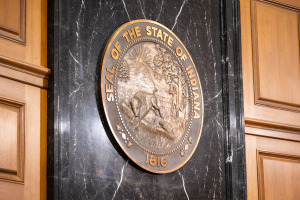
The State Ethics Commission is expected to vote this week on the settlement, which would close an ethics case that stems from allegations of ghost employment and misuse of state property brought by the Inspector General’s Office.
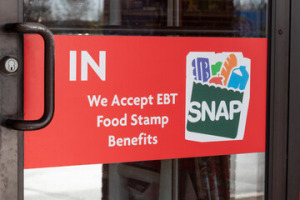
The changes, dubbed “Smart SNAP,” are part of the “Make Indiana Healthy Again” plan launched in April by Gov. Mike Braun’s administration.

Indiana health officials are extending open enrollment for two major Medicaid programs, giving more time for hundreds of thousands of Hoosiers facing a forced plan change to select another option from the state’s managed care lineup.
The question of just how much the monthslong debate bruised relationships will be a question when lawmakers return to the Statehouse in three weeks for resumption of their legislative session.
For 2026, the plan features significantly lower out-of-pocket costs for members who use the plan’s “narrow network” that limits choice.

Members of Congress from both parties, as well as civil liberties and consumer rights groups, have pushed for more regulations on AI, saying there is not enough oversight for the powerful technology.
To understand the landscape clearly, we sought frank assessments of both major parties.
The Republicans used to argue from principles and participate in debate.