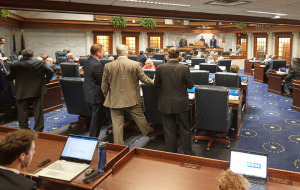
Senate unveils budget with no expansion for school voucher program
The most glaring contrast between the Senate and House proposals is the way in which they intend to expand funding to charter schools.
Legislation related to Kratom, picketing, birth control and speed limits appear to be among the casualties of this session, although some of the language could be revived in so-called “zombie bills.”
Discussion about a higher cigarette tax came as the House Ways and Means Committee, the powerful budget-drafters of the chamber, considered bills that address mental health and public health.
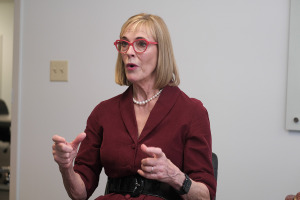
The Indiana House bill is key to providing women quicker access to contraceptives, bill sponsor Republican Sen. Sue Glick said Tuesday, especially in areas where they struggle to receive primary care.
A bill that would allow Indiana tech parks to capture a larger share of tax revenue is poised to become law after the Senate voted unanimously Monday to advance the legislation to the governor’s office.
Support is clear for the 988 hotline, which is designed to operate similar to 911 but for mental health rather than public safety. However, the most important detail–how much funding the state will provide–has yet to be determined.
Indiana is following California’s lead in moving toward regulating third-party food delivery providers by requiring them to get written consent from restaurants to deliver their food.
Karrah Herring is the first member of an Indiana governor’s cabinet dedicated to equity and inclusion. Her work focuses not only within state government but also across the state’s public and private sectors. Gov. Eric Holcomb appointed Herring—who had been public affairs director at the University of Notre Dame—in 2020 with the goal of developing […]
The measure would have established a prosecutor commission and review board with the goal of dealing with prosecutors who won’t pursue certain cases. Marion County Prosecutor Ryan Mears, for instance, has pledged not to prosecute simple marijuana possession cases.
The Indiana State Budget Agency better-than-expected collections from sales tax, individual income tax, corporate tax, and interest revenues were the primary drivers of March’s performance.
A bill that seeks to ban materials deemed “harmful to minors” in school and public libraries drew sharp debate Wednesday at the Indiana Statehouse, especially from librarians, who argued that such a policy would open them up to criminal charges.
The proposals have been sharply criticized by Democrats and traditional public school leaders, who argue that the changes would come at the expense of thousands of students in traditional public schools.
The department said those individuals will receive a 60-day extension to make premium payments without risk of penalties or policy cancellation.
Proponents of the bill hope better pay will increase jury turnout and lead to getting more attentive jurors.
A sweeping bill that would create a new mental health care system in Indiana drew tears and personal testimony Tuesday–from both the public and elected officials.
An Indiana House committee on Tuesday voted to send additional road funding to Indianapolis and to consider a give-back of numerous former state highways.
Indiana Gov. Eric Holcomb faces a Wednesday deadline to make a decision on a bill that would prohibit transgender youth from accessing hormone therapies, puberty blockers and surgeries in the state.
Republican state lawmakers were divided over the measure, however, with some arguing that such “Big Brother” technology amounts to government overreach and could lead to later legislation allowing for other types of camera surveillance.
Many Hoosier homeowners have already received their latest property tax bill—or will in the coming days–and discovered the jump, which ranges from zero change in one county to more than 20% in four counties around the state.
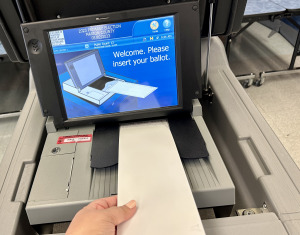
A proposal that would require Indiana voters to submit more identification information to obtain mail-in ballots was endorsed Monday by the state Senate despite objections from opponents that it would make voting more difficult for many people.