
Subscriber Benefit
As a subscriber you can listen to articles at work, in the car, or while you work out. Subscribe Now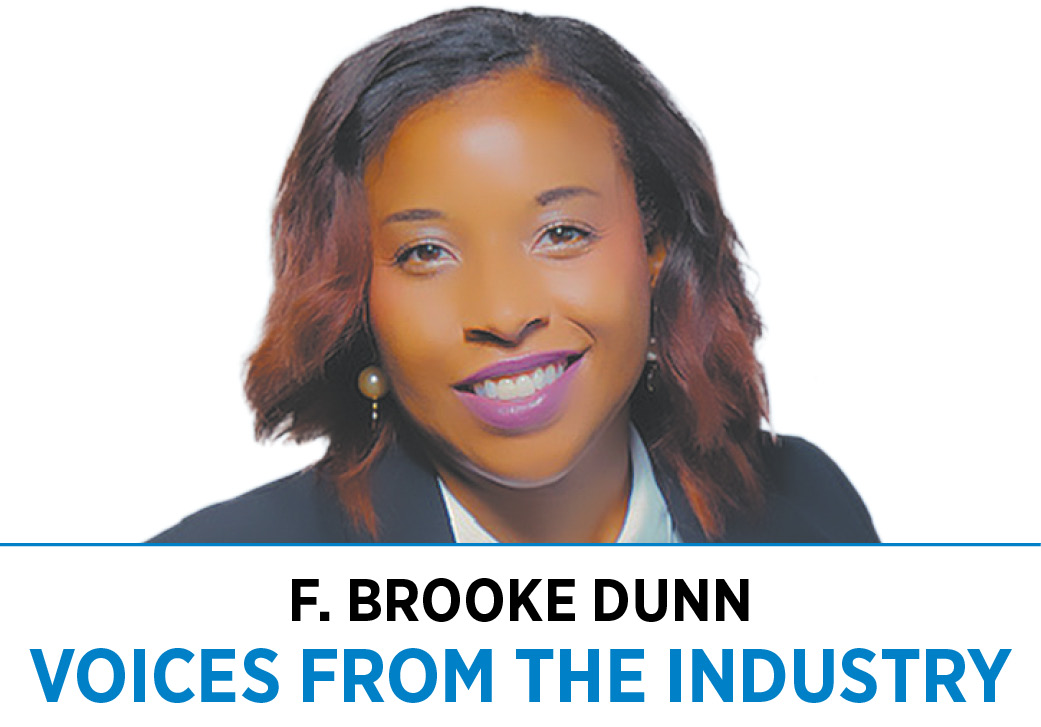 In today’s complex and interconnected world, the delivery of critical services—such as health care, transportation, and water—often depends on collaborative efforts between the public and private sectors. Legal agreements between governments and private entities serve as the foundation for these partnerships, shaping not only how these services are delivered but also how they are funded and maintained over time. The agreements play a pivotal role in determining the accessibility, efficiency and quality of services that directly affect communities and the lives of people.
One of the most common frameworks is the public-private partnership, often called a P3.
Under a P3, governments collaborate with private companies to finance, design, build and/or operate public services or infrastructure projects. These agreements are typically governed by detailed contracts outlining each party’s responsibilities, performance standards, timelines and financial arrangements.
P3s can be a powerful tool for addressing funding shortfalls in public budgets. By leveraging private capital and expertise, governments can accelerate the development of infrastructure and delivery of services without shouldering the full financial burden upfront. This is particularly beneficial for communities facing urgent needs but limited public resources.
At the federal level, the legal structure governing P3s includes the Federal Acquisition Regulation, which is the primary set of rules governing how the federal government procures goods and services, and the Miller Act, applicable to federal construction projects exceeding $150,000.
Additionally, many states have enacted their own P3-specific statutes to regulate state-level partnerships. For instance, Indiana Code 5-23 provides the foundational legal authority for state agencies and political subdivisions to enter P3s. IC 5-23 permits these entities to contract with private partners for the acquisition, design, development, construction, maintenance, financing and operation of public facilities or improvements. Additionally, Indiana Code 8-15.7 specifically governs P3s related to transportation and infrastructure. This statute authorizes the Indiana Department of Transportation and other agencies to enter into public-private agreements.
Legal agreements dictate how funds are sourced, allocated and repaid. In many cases, the private sector bears the initial financial risk, with the government repaying costs over time through user fees, service payments or other revenue-sharing models. These arrangements can attract significant private investment in public infrastructure, but they also raise important questions about long-term financial sustainability and public accountability.
For example, user fee models—such as tolls on highways or fees for water usage—might ensure a steady revenue stream for the private partner, but high or increased user fees can also place a financial burden on low-income populations. Contracts that prioritize profit margins without safeguards for equity can exacerbate inequalities in access to essential services.
Beyond funding, legal agreements shape how services are delivered. Performance-based contracts, for instance, tie compensation to the private partners to measurable outcomes like service reliability, safety or customer satisfaction. This can incentivize private entities to maintain high standards, innovate and operate efficiently.
However, the effectiveness of such agreements hinges on the clarity of terms and the strength of oversight. Vague contract language or weak enforcement mechanisms can lead to disputes, delays or substandard service. In some cases, poorly structured deals have resulted in privatized services that lack transparency, public input or adaptability to changing community needs.
While public-private legal agreements offer significant advantages, they also carry risks. Long-term contracts may limit governments’ flexibility to respond to evolving priorities or community needs. Additionally, if agreements are not negotiated with rigorous due diligence and stakeholder engagement, they can lead to outcomes that favor private partner profits over public good.
Transparency, accountability and community involvement are crucial in mitigating these risks. Governments must ensure that agreements include provisions for performance monitoring, regular evaluations and enforcement as well as mechanisms for public feedback. Equally important, government entities entering into P3s need legal and technical capacity to negotiate and manage complex contracts effectively.
In summary, while P3s can offer significant benefits in terms of resource mobilization, efficiency and innovation, they also present challenges related to cost, control and complexity. Legal agreements between governments and private entities are vital instruments that can significantly enhance the funding and delivery of critical services. However, their success depends on a careful balance between economic efficiency and long-term community well-being. The true measure of these partnerships lies in their ability to improve the lives of all community members.
__________
Dunn is counsel at Faegre Drinker.
Please enable JavaScript to view this content.
Editor's note: You can comment on IBJ stories by signing in to your IBJ account. If you have not registered, please sign up for a free account now. Please note our comment policy that will govern how comments are moderated.