The not-for-profit advocate for Indiana’s technology sector said the 78 nominees were chosen from a record number of entries and represent almost all regions of the state.
The Biden administration on Tuesday outlined how states and not-for-profit groups can apply for $27 billion in low-cost financing for projects intended to cut greenhouse gas emissions.
The developer plans to put a 20,000-seat soccer stadium for the Indy Eleven right along the White River, which is on the western edge of the former Diamond Chain manufacturing site.
Indianapolis plans to pilot a low-barrier shelter on city-owned property and create a master leasing program in which the city would lease units on behalf of property owners to low- or no-income individuals.
Many parts of downtown are thriving—particularly neighborhoods, where rents are rising, people have to stand in line for a lunch table, and investments are flowing. Other parts—especially downtown’s central core, where many workers might come to the office only once or twice a week—are limping along, pockmarked by vacant storefronts, panhandlers and crumbling sidewalks.
While the state and the city have come together on major downtown projects over the years, there’s sometimes tension between what Indianapolis officials would like to see from the state and how the state views its responsibility to the capital city.
The Greenfield-based maker of animal medicines said fourth-quarter revenue fell due to “environmental and competitive pressure” and could continue to slip this year.
A trial of a four-day workweek, billed as the world’s largest, has found that an overwhelming majority of the 61 companies that participated from June to December will keep going with the shorter hours.
The bill, which moves to the full state Senate, would ban all gender-transition care for Indiana minors. That care could range from taking puberty blockers and hormone therapy to social transition at schools.
Nearly 30 million Americans who got extra government help with grocery bills during the pandemic will soon see that aid shrink—and there’s a big push to make sure they’re not surprised.
We know that as much as 80% of a person’s health status is influenced by social factors—factors that disproportionately impact marginalized populations.
Over 2.4 million Hoosiers lack access to primary care, and 6.6 million can’t access mental health care. Indiana’s 9,000 APRNs stand ready to help expand access.
House Bill 1087, authored by Rep. Justin Moed, D-Indianapolis, would require the Indiana Department of Correction—with some exceptions—to return offenders to the county where they lived when they were convicted.
President Biden’s far-reaching initiative to forgive student loan debt will be debated this week before a Supreme Court that is skeptical of the administration’s bold claims of power—a nearly half-trillion-dollar showdown that could affect more than 40 million Americans.
Railroads like the one involved in last month’s fiery crash and toxic chemical release in Ohio would be subject to a series of new federal safety regulations and financial consequences under legislation being introduced Wednesday by the state’s two U.S. senators.
The bill would ban the use of puberty blockers, hormone replacement therapies and surgical procedures—but only if the minor is diagnosed with gender dysphoria.
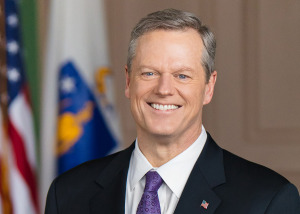
As Charlie Baker takes over as president of the Indianapolis-based NCAA, he brings a different way of thinking about one of the more important and most polarizing issues in college athletics: regulating how college athletes monetize their fame.