
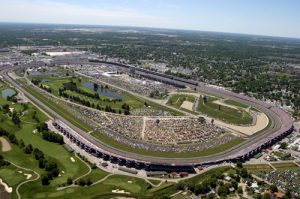
State health department, Indianapolis Motor Speedway plan mass vaccination clinic
The Indiana Department of Health said up to 96,000 people could be vaccinated during the event.
The Indiana Department of Health said up to 96,000 people could be vaccinated during the event.
Still, Dr. Anthony Fauci, the government’s top infectious disease expert, said Wednesday he isn’t ready to declare the nation has turned the corner on the outbreak.
Consultant AlixPartners has said the global chip shortage could cost automakers $61 billion in lost sales this year. The recent setbacks could further delay an expected second-quarter recovery in output.
The Indiana State Department of Health said 1,455 new individuals were tested Tuesday, the lowest number in that category since April.
The groundbreaking finding raises the possibility that doctors and athletic trainers could rapidly determine whether someone suffered a concussion using an objective test, according to a peer-reviewed article published Tuesday.
The administration expects supplies to continue to increase in the coming weeks, which comes as more states are relaxing eligibility criteria for shots.

Thousands of people, many of them maskless, crowded into the district near Mass Ave on Saturday to watch NCAA men’s basketball games on huge television screens.
Regal had been one of most notable holdouts in the gradual reopening of cinemas nationwide. For nearly half a year, its 7,211 screens and 549 theatres in the U.S. have been dark.
While COVID-19 case counts saw a steep decline in Indiana after the first of the year, they have plateaued in recent weeks.
U.S. air travel is already picking up. More than 1 million people have passed through U.S. airport checkpoints each of the last 11 days, with Sunday’s total topping more than 1.5 million for the first time in more than a year.
Coupled with earlier missteps in reporting data and a recent blood clot scare, experts said a new stumble could cause lasting harm to the shot that is key to global efforts to stop the pandemic and erode vaccine confidence more broadly.
There will be fans at this year’s Indianapolis 500, Indianapolis Motor Speedway owner Roger Penske said Monday, but how many remains a moving target based on COVID-19 restrictions. More than 170,000 tickets already have been sold for the May 30 race, he said.
The state said more than 954,000 Hoosiers had been fully vaccinated against COVID-19 as of Monday. More than 1.44 million had received the first dose of a two-dose vaccination.
The data found burnout is widespread—54% of workers said they are overworked and 39% said exhausted.
Main Street businesses are now forced to wait months instead of the usual weeks for a delivery from China, and no one knows when the situation will be resolved.
Two days after she was sworn in, Isabella Casillas Guzman said her immediate focus is implementing the small business provisions in the $1.9 trillion coronavirus rescue package signed into law last week.
The company said its experts did not identify any safety concerns related to the vaccine, including finding no increased risk of rare blood clots identified in Europe.
A surprising new analysis found that states that raced ahead of others to offer the vaccine to ever-larger groups of people have vaccinated smaller shares of their population than those that moved more slowly and methodically.
The state said more than 948,000 Hoosiers had been fully vaccinated against COVID-19 as of Sunday at 5 a.m. More than 1.43 million had received the first dose of a two-dose vaccination.
The state said more than 935,000 Hoosiers had been fully vaccinated against COVID-19 as of Saturday at 5 a.m. More than 1.41 million had received the first dose of a two-dose vaccination.