
Supreme Court: States may require presidential electors to support popular-vote winner
Justice Elena Kagan wrote for the court, saying states may punish or replace electors who will not abide by the popular vote.
Justice Elena Kagan wrote for the court, saying states may punish or replace electors who will not abide by the popular vote.
Businesses and the organizations that represent them fear a wave of coronavirus-related lawsuits as employees return to work and customers return to stores, restaurants and other public places.
New state laws affecting phone use in cars, tobacco fines, teen marriage and gasoline taxes begin this week.
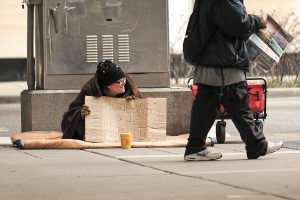
A federal judge has issued a ruling against a new state law that would have effectively banned panhandling in downtown Indianapolis starting Wednesday, calling it unconstitutional.
The Supreme Court on Tuesday made it easier for religious schools to obtain public funds, upholding a scholarship program that allows state tax credits for private schooling.
A controller and office manager who worked for a local business consulting firm used the stolen funds to pay for a new Honda CRV, platinum jewelry and at least eight trips to a resort in Aruba.
The pharmaceutical company said the Roundup settlement would “bring closure to approximately 75%” of the current 125,000 claims against subsidiary Monsanto.
Indiana Secretary of State Connie Lawson has argued that she shouldn’t have to turn over records about machine security because they could jeopardize cyberterrorism security. A judge wants to see for herself.
Former Colts quarterback Art Schlichter has received nearly $700,000 from a national settlement with the NFL over concussions. A prosecutor says that money should go to Schlichter’s many fraud victims.
Among several things being considered in Washington will be legislation introduced by Sen. Mike Braun, R-Ind., who wants to limit the immunity protections for officers in lawsuits.
Paul Keenan formerly led the National Center for the Analysis of Violent Crime, which is comprised of five Behavioral Analysis Units, popularized on the CBS drama “Criminal Minds.”
Health and Human Services Secretary Alex Azar called the decision in federal court in Washington, D.C., “a resounding victory” for President Donald Trump’s efforts to open up the convoluted world of health care pricing.
By an 8-1 vote, the justices ruled that the Securities and Exchange Commission can seek to recover the money through a process called disgorgement.

David Simon and Bobby Taubman are battling now in court over whether Simon Property Group is obligated to complete the $3.6 billion purchase of Michigan-based Taubman Centers that it announced in February.

Florida Sen. Marco Rubio’s bill would protect the NCAA from being challenged in court if the association changes its rules to allow athletes to earn money for endorsement deals and personal appearances.
The justices rejected administration arguments that courts have no role to play in reviewing the decision to end the 8-year-old Deferred Action for Childhood Arrivals Program. The program covers people who have been in the United States since they were children and are in the country illegally.
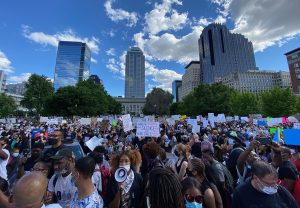
The American Civil Liberties Union of Indiana filed the lawsuit Thursday in the U.S. District Court for the Southern District of Indiana on behalf of Indy10 Black Lives Matter and three individuals.
The JUSTICE Act—Just and Unifying Solutions To Invigorate Communities Everywhere Act of 2020—is the most ambitious GOP policing proposal in years.
The lawsuit alleges the Indianapolis Metropolitan Police Department failed to adequately train, screen and supervise officers to prevent them from engaging in excessive or deadly force.
President Donald Trump framed his plan as an alternative to the “defund the police” movement that has emerged from the protests and which he slammed as “radical and dangerous.”