

NCAA board supports name, image, likeness compensation
The Indianapolis-based NCAA is moving forward with a plan to allow college athletes to earn money for endorsements and a host of other activities involving personal appearances and social media.
The Indianapolis-based NCAA is moving forward with a plan to allow college athletes to earn money for endorsements and a host of other activities involving personal appearances and social media.
The Indianapolis-based NCAA is figuring out the details of how college athletes can be compensated for the use of their name, image or likeness. Social media is expected to play a huge role.
Recommended rule changes that would clear the way for athletes to earn money from their names, images and likeness are being reviewed by college sports administrators this week before being sent to the NCAA Board of Governors, which meets Monday and Tuesday.

One month after the pandemic forced the cancellation of the lucrative NCAA men’s basketball tournament, officials at athletic departments and college sports conferences across the country remain puzzled by one question: Why wasn’t the NCAA better prepared for this?

Five major football conference commissioners have asked the Indianapolis-based NCAA to relax some requirements to compete in Division I for four years.
The documentary purports to tell, according to HBO promotional materials, “the revealing, no-holds-barred tale of Christian Dawkins and how the 25-year-old wound up at the center of the biggest criminal case in collegiate sports history.”
The NCAA Division I Council is scheduled to vote Monday on whether to allow another year of eligibility for spring sport athletes such as baseball, softball and lacrosse players, who had their seasons wiped out by the coronavirus pandemic.
The organization had been scheduled to distribute $600 million to more than 300 Division I schools from April to June.

Early this century, the NCAA enlisted the accounting firm Deloitte to conduct a risk assessment, one that looked at the seemingly preposterous notion that the NCAA men’s basketball tournament—one of the most lucrative events in sports—would be canceled.
The decision comes one day after the Indianapolis-based NCAA said it would not allow fans to attend games in hopes of stopping the potential spread of the virus.
The Indianapolis-based NCAA is weighing potential health risks to athletes against hundreds of millions of dollars on which the institution and dozens of athletic conferences and universities rely on for economic stability.
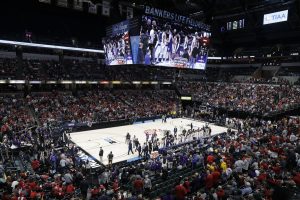
Combined, the events were expected to draw in upwards of $35 million in revenue for local businesses, including hotels and restaurants.
The decision came less than two hours after the NCAA said it would play its March Madness games in empty stadiums and shortly after the first Big Ten game tipped off at Bankers Life Fieldhouse.
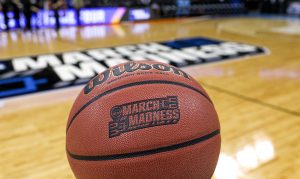
NCAA President Mark Emmert announced the games will be open only to “essential staff and limited family attendance.”
The Indianapolis-based NCAA faced mounting pressure over how it will conduct its marquee event Tuesday, the same day the Ivy League canceled its conference basketball tournaments and two other Division I conferences announced that their tournaments would be played without spectators.
An advocacy group for college athletes has urged the Indianapolis-based NCAA to consider holding its winter sports championships with no fans, and the idea has not been dismissed out of hand.
The Indianapolis-based National Collegiate Athletic Association is examining all options for its upcoming men’s basketball tournament, including the possibility of holding games without fans, as the coronavirus continues to spread across the United States.
If adopted, new criteria would go into effect for the 2020-21 academic year and be a boon for Division I athletes in high-profile sports such as football and basketball.
The NCAA fears laws allowing student athletes to benefit from endorsement deals would give some schools an unfair recruiting advantage and open the door to sponsorship arrangements being used as a recruiting inducement.

As Congress considers whether to allow college athletes to receive endorsement money, the forces for the status quo have a power player in their corner that the students don’t: money.