

Mike Lopresti: Former IU coach reflects on journey to national championship
It is 20 years now since Indiana showed up in the national championship game.
It is 20 years now since Indiana showed up in the national championship game.
After months of ever-changing explanations from IU as to how its under-the-radar approval of a contract extension could have complied with the law, Indiana’s public access counselor appropriately and firmly concluded that it didn’t.
The best way to assess how our policymakers have performed is by gauging how well they have kept the dollar value of income in the economy—what economists call nominal gross domestic product (NGDP)—growing on its expected path.
Published surveys on workplace relationships report that more than 50% of business professionals have participated in a workplace romantic relationship, and that more than 15% met their spouse or partner at work.
While the design groups chosen by Circle Centre Development are preparing their ideas, we want you to give us yours. Go to ibj.com/circle-centre-ideas to share your thoughts.
More investigative and enterprise journalism is on the list of what we’d like to do more of this year, and we are strategizing ways to make that happen without sacrificing the daily news you expect from us.
Indiana possesses all the ingredients to propel us toward a new economy. Indiana Gov. Eric Holcomb and his economic development team have uniquely positioned our state with a progressive business and tax climate.
Investing in accessible, affordable higher education programs that effectively upskill or retrain our workforce is a key driver of economic growth and workforce development. Education at any level is the foundation.
In addition to reducing citizens’ costs and court caseloads, another valuable benefit warranting note is that the Public Access Counselor’s statutory function has helped to increase day-to-day agency transparency.
The average American won’t be successful in retirement because they happen to have a lot of money. Instead, the average American will be successful in retirement because he or she doesn’t need a lot of money.
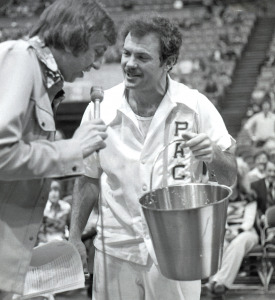
Now that sports leagues, along with the rest of corporate America, have become more self-conscious about image and operate in a more litigious age, promotions have become … what? More professional? Less ridiculous? It’s all a matter of taste.
Shame on IBJ for having such low standards.
The results indicated that providing a larger quantity of information (six cues) increased consumers’ perception of their own knowledge and understanding of the product.
When you’ve been hit by Cupid’s arrow, you need to make sure your finances come out intact even if your heart doesn’t. The financial stakes are generally higher for individuals over 50.
But what if a majority of voters or their legislative representatives think universities, or, for that matter, K-12 schools, should or should not teach certain ideas?
In Indiana, our attention has been too focused on low-risk youths, who would be better served through community-based programming, while kids who commit more serious offenses and pose a public safety risk are the ones we should prioritize.
Our experience is that, when an organization rolls up its sleeves together to achieve a common goal, everyone wins.
Incentives are particularly important as Indiana focuses more on attracting higher-paying jobs from industries with strong growth opportunities: electric vehicles and batteries, green energy and computer chips.
Please assist us in our efforts to assemble our first list of our state’s most influential leaders when the nomination process opens.
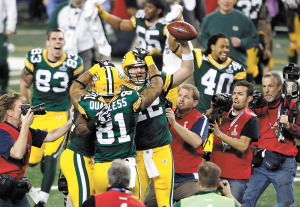
Sightly perturbed to see our striped-helmeted neighbors down Interstate 74 in the game? The Colts keep searching for the secret to building a big winner. Look southeast.