
Indiana sees low voter turnout for primary elections
Indiana ranks near the bottom of the country when it comes to voter turnout for elections, according to the latest Indiana Civic Health Index.
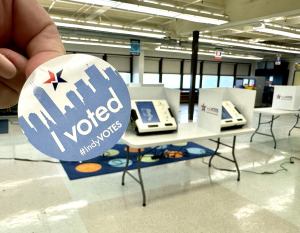
Indiana ranks near the bottom of the country when it comes to voter turnout for elections, according to the latest Indiana Civic Health Index.
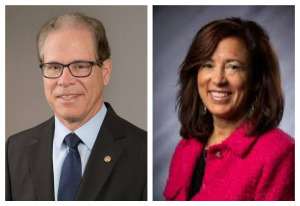
Braun said he’ll ask delegates at the Republican State Convention to confirm Rep. Julie McGuire of Indianapolis as his running mate for the November general election.

The Protect The Ball Act is intended to provide legal safe harbor for the entities that run college sport, which has been under siege from antitrust lawsuits.

 Mickey Shuey and
 The members are set to meet behind closed doors Wednesday with the man behind Mayor Joe Hogsett’s effort to score a Major League Soccer franchise.
 Mickey Shuey
 The meeting with the 19-member Democratic caucus of City-County Council came as the Hogsett administration fast approaches a local legislative deadline, all while struggling to secure a sponsor for its proposal to create a stadium-funding tax district downtown to reinforce the bid.
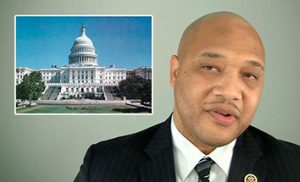
Here’s a rundown of the results in all of the congressional primary races in Indiana.
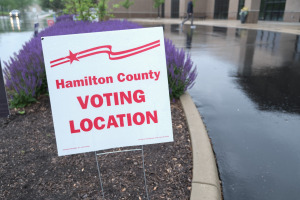
Check back for updates tonight.
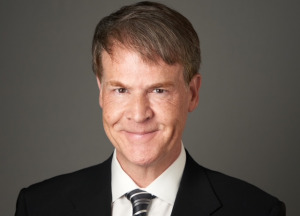
Just six months after an unsuccessful campaign for Indianapolis mayor, Jefferson Shreve has won a crowded primary for the Republican nomination in Indiana’s 6th Congressional District.

In the General Election on Nov. 5, Spartz will face Democrat Deborah Pickett, who defeated Ryan Pfenninger.
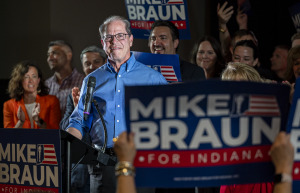
Braun will face Democrat Jennifer McCormick, the former state superintendent of public instruction, and Libertarian Donald Rainwater in November’s general election.
The popular social video company alleges the law, which President Joe Biden signed as part of a larger $95 billion foreign aid package, is “obviously unconstitutional.”
Indiana voters on Tuesday will decide the Republican nominees for governor and several crowded congressional fields. Here is information voters should know about central Indiana races.
It’s a small percentage of people, particularly in Indiana, which ranked second-last in the country for turnout in the 2022 election.
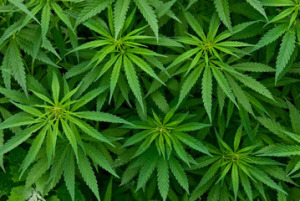
Advocates for marijuana legalization hope a federal regulatory shift could eventually change the minds—and votes—of some state policymakers who have been reluctant to embrace weed.
U.S. Rep. Greg Pence’s decision to not seek reelection started a domino effect: State Rep. Mike Speedy decided against running for reelection and four Republicans threw their hats into the ring to take his place.

Indiana Attorney General Todd Rokita issued a ruling Wednesday, saying that “neither state nor federal law requires a coworker to use the preferred pronouns and names of fellow employees.”
Mickey Shuey and The approval, the first step in the legislative process, came with nearly 100 Indy Eleven supporters packing a portion of the City-County Building Public Assembly Room to show their support for the team.
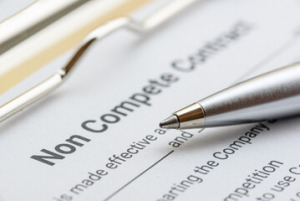
State lawmakers have been wrestling with the agreements for several years. And now a “huge” ruling from the Federal Trade Commission could ban the use of noncompetes for all but the highest earners if it survives legal scrutiny.

Indiana’s Republican gubernatorial candidates overwhelmingly promised a renewed focus on coal—and pushback to federal restrictions—in a survey from a fossil fuels-oriented advocacy group.
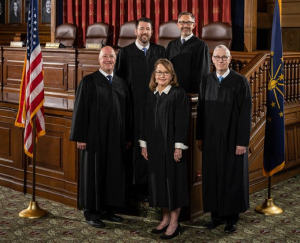
Many say the state’s merit selection process tends to produce a pool of centrist judicial candidates for the governor to choose from and appoint to the Indiana Supreme Court and Court of Appeals