

Trump expected to try to halt TikTok ban, allies say
The video-sharing app faces a January deadline to find a new owner not based in China or lose access to U.S. users, under a law passed in April with bipartisan support.
The video-sharing app faces a January deadline to find a new owner not based in China or lose access to U.S. users, under a law passed in April with bipartisan support.
TikTok faces intensifying scrutiny from Europe and America over security and data privacy. It comes as China and the West are locked in a wider tug of war over technology ranging from spy balloons to computer chips.
At the heart of each lawsuit is the TikTok algorithm, which powers what users see on the platform by populating the app’s main “For You” feed with content tailored to people’s interests.
The lawsuit allege the app contains “salacious and inappropriate content” and deceives consumers into believing their sensitive and personal information is secure.

Before a panel of three judges at a federal appeals court, attorneys for the two sides—and content creators—were pressed on their best arguments for and against the law that forces the two companies to break ties by mid-January or lose one of their biggest markets in the world.
Meta CEO Mark Zuckerberg also said he would no longer donate money to widen election access for voters after dishing out more than $400 million for that purpose in 2020.

The legal action adds to a growing swarm of suits against the company from state attorneys general and school districts aiming to tie America’s teen mental health crisis to social media.
The latest lawsuit focuses on allegations that TikTok violated federal law that requires kid-oriented apps to get parental consent before collecting personal information of children under 13.

By a 6-3 vote, the justices threw out lower-court rulings that favored Louisiana, Missouri and other parties in their claims that administration officials leaned on social media platforms to squelch conservative points of view.
Dr. Vivek Murthy said social media is a contributing factor in the mental health crisis among young people and should carry warning labels similar to those now mandatory on cigarette boxes.
If a sale occurs, the former owner of the Los Angeles Dodgers said he would plan to restructure TikTok and migrate the platform to an open-source protocol that allows for more transparency.
Attorneys for the creators argue in the lawsuit that the law violates users’ First Amendment rights to free speech, echoing arguments made by TikTok in a separate lawsuit filed by the company last week. The legal challenge could end up before the Supreme Court.
The popular social video company alleges the law, which President Joe Biden signed as part of a larger $95 billion foreign aid package, is “obviously unconstitutional.”
Starting in 2017, when the Chinese social video app merged with its competitor Musical.ly, TikTok has grown from a niche teen app into a global trendsetter.
The U.S. government is as close as it has ever been to kicking out an app used by an estimated 170 million Americans. Here’s what’s expected next.
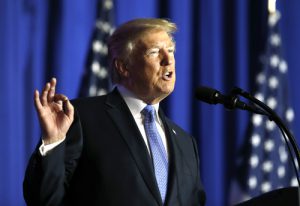
Before trading began, Trump Media had a market value of about $6.8 billion, a figure that will rise significantly if the early gains in the shares hold.
Several justices said they were concerned that common interactions between government officials and the platforms could be affected by a ruling for the states.
If the measure were to pass this month, TikTok’s Chinese parent company would be forced to sell the app by September, two months before voters head to the ballot box—and Democrats are reliant upon young voters to goose turnout in key swing districts.
By targeting TikTok, lawmakers are singling out a platform popular with millions of people, many of whom skew younger, just months before an election.

The survey comes as policymakers and children’s advocates are growing increasingly concerned about teens’ relationships with their phones and social media.