
IPS school board approves Cold Spring School’s bid to be innovation charter school
The board also approved two new innovation schools: a second campus for Global Prep Academy and a new Monarca Academy high school.
Read More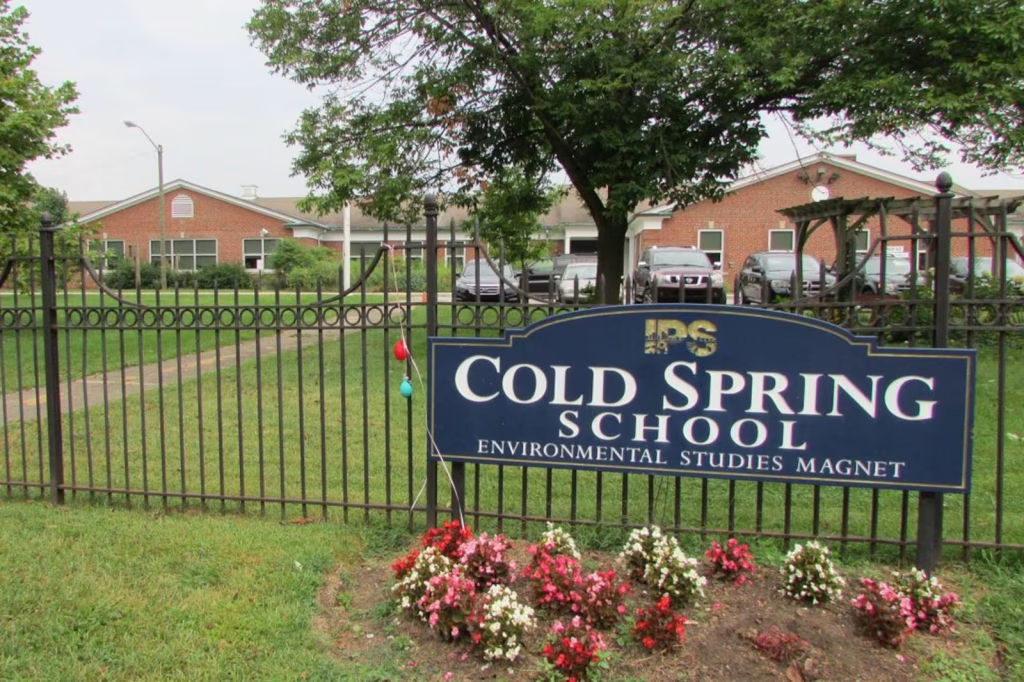
The board also approved two new innovation schools: a second campus for Global Prep Academy and a new Monarca Academy high school.
Read More
Candidates had until noon Thursday to be on the November ballot. This was the first time candidates could include their political affiliations.
Read More
The Indianapolis Public Education Corp. is considering putting a tax increase on the ballot in November to fund schools. Here’s the breakdown of options and how the public can weigh in.
One of the first things that the Indianapolis Public Education Corp. will decide is whether or not to put a tax increase on the ballot in November.

Allissa Impink plans to resign from the IPS board on June 15 after winning the Democratic primary election for state Senate District 46.
Lawmakers made changes in 2025 to school board elections and referendums. But this is the first year voters will notice the differences.
The Indianapolis Local Education Alliance is scheduled to vote Wednesday night on final recommendations about the future of the city’s district and charter schools.
This is the first school year students were held back under the 2024 law that mandates retention for students who don’t pass the state’s reading test, the IREAD-3.
A second draft of an accountability system for Indiana schools was presented to the State Board of Education by Indiana Department of Education officials on Wednesday.
The Indiana Department of Education will comply with a federal order to remove diversity, equity, and inclusion from schools, saying it will collect signed forms from schools and districts saying they will abide by the Trump administration directive.
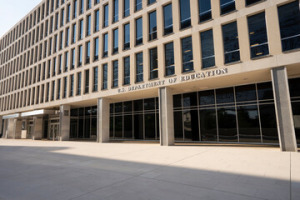
Indiana leaders this week welcomed an order from President Donald Trump intended to close the U.S. Department of Education, saying it will give the state more control over education and greater flexibility to spend federal funds.
With a new school year comes new rules about cell phones in classrooms, a new pilot program for shorter but more frequent state testing, and a new policy on holding back students who can’t read based on third grade reading exams.
The operators of the now-closed schools allegedly inflated the enrollment by thousands of students and accepted more than $44 million in state funding, per a federal indictment from last week.
The defendants face a combined 76 charges including wire fraud, conspiracy to commit wire fraud and money laundering.

The new report shows a move in a positive direction for state leaders, who are aiming to increase Indiana’s college attainment after years of declining college-going rates.
The effort is part of a push to increase college-going in the state, which stagnated at 53% of high school graduates from the class of 2021, and was declining before the COVID-19 pandemic.
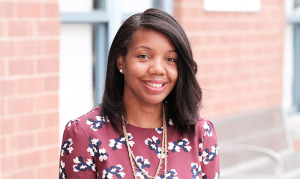
Aleesia Johnson, superintendent of Indianapolis Public Schools, touted options available to students, largely through Rebuilding Stronger, the district’s overhaul plan, as the district aims to attract students and families.

In Indiana, state leaders and others are already worried about the declining college-going rate, which is especially low for Black and Hispanic and Latino students.
Despite success with enrollees and its more than 30-year track record, the 21st Century Scholars program has struggled to attract students to enroll in the program that has helped more than 50,000 Hoosiers earn college degrees.
Indiana students could soon be required to fill out the Free Application for Federal Student Aid, a shift that supporters say could give students more money to go to college and convince more of them to enroll in higher education in the first place.
Scores released Monday from the most recent National Assessment Educational Progress—“the nation’s report card”—reflect unprecedented and not unexpected declines affecting students in virtually every state and every region of the country.

The four candidates for three seats in the November election said Wednesday they haven’t seen enough information about the plan to support it and also expressed concern about the level of parent input.