

Why Lilly is pouring billions into LEAP
In recent years, the pharmaceutical manufacturer has seen dizzying growth in its pipeline for a wide range of diseases. And modes of drug delivery are becoming increasingly complex.
In recent years, the pharmaceutical manufacturer has seen dizzying growth in its pipeline for a wide range of diseases. And modes of drug delivery are becoming increasingly complex.

The plaintiffs allege that the shortage of Lilly’s drugs isn’t actually over, and that the agency’s decision deprives patients of important medicines by restricting compounding.
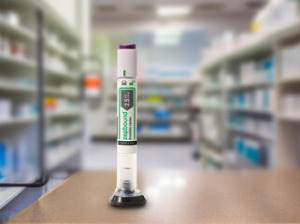
Lilly has been making the case since August that its tirzepatide-based drugs are now “commercially available,” which the FDA agreed on. But the agency warned that patients and prescribers might still experience “localized supply disruptions.”

The new funding, for an advanced manufacturing and drug development center, will bring the Indianapolis-based drugmaker’s total investment in the Boone County site to more than $13 billion.

The the Swiss drugmaker will face off in the obesity area with leaders Novo Nordisk A/S and Indianapolis-based Eli Lilly and Co.
Recurrent shortages, shifting insurance coverage, indecision and a lack of guidance about side effects and dosing have led to challenges for some patients prescribed Mounjaro, Ozempic, Zepbound or Wegovy.

The Indianapolis-based drugmaker filed a suit in federal court this month, challenging the U.S. Food and Drug Administration’s ruling that the company’s experimental obesity treatment not a biological product.
The letter is the latest sign that the battle between the brand-name drug manufacturers and the companies that make and sell the compounded versions has intensified.

The expansion projects will boost production of medicines for Alzheimer’s disease, diabetes and obesity.

Lucas Montarce, who has been with Lilly since 2001 and most recently served as president for its Spain, Portugal and Greece operations, is now the company’s CFO and executive vice president.

Lilly and rival Novo Nordisk have been battling the emerging industry making copies of their top-selling diabetes and weight-loss drugs, a situation without modern precedent.

After taking in the Indiana Fever’s victory on Wednesday, Simone Biles and Gabby Thomas discussed teamwork on Thursday with thousands of employees for Team USA sponsor Eli Lilly and Co.
Lilly said its new option will help millions of adults with obesity access the medicine they need, including those not eligible for the Zepbound savings card program, those without employer coverage, and those who need to self-pay outside of insurance.
The longest continuous study of Indianapolis-based Lilly’s drug Zepbound to date included more than 1,000 patients.

Lilly is moving about 200 scientists and researchers who had worked in nearby Cambridge, Massachusetts, to the new center, and plans to add about 300 employees.
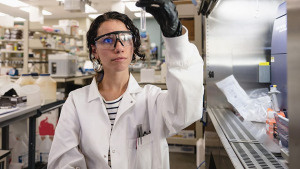
The Eli Lilly and Co. and Purdue University Research Alliance Center involves more than 50 researchers and 65 graduate students.
Lilly is buying Morphic for $3.2 billion to gain experimental therapies for inflammatory bowel disease and other chronic illnesses.
The Indianapolis-based drugmaker said revenue increased 36% in the quarter, to $11.3 billion. Zepbound, the popular obesity drug that launched in December, crossed into blockbuster territory, with sales of $1.23 billion in the quarter.

Meanwhile, Lilly announced that Zepbound improved the long-term health of patients with obesity-related heart failure in a study.
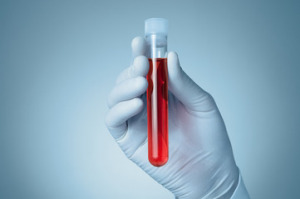
Researchers reported Sunday that new blood tests were 91% accurate in detecting Alzheimer’s disease, far more accurate than a diagnosis from primary care doctors and specialists.