
Indiana health officials: ‘Things are going to get much worse’
Indiana State Health Commissioner Dr. Kris Box pointed out that the vast majority of people showing up at hospitals needing treatment for COVID-19 are unvaccinated.
Indiana State Health Commissioner Dr. Kris Box pointed out that the vast majority of people showing up at hospitals needing treatment for COVID-19 are unvaccinated.

The state’s largest hospital system said the move was “needed to alleviate some of the enormous pressure our care teams are under and to reserve inpatient space for those who need it most.”
Researchers say that trust could become important in the push to increase COVID-19 vaccinations, as long as unvaccinated people have care providers they know and are open to hearing new information about the vaccines.
Franciscan joins two other large hospital systems in central Indiana—Indiana University Health and Community Health Network—in laying down the new health requirement.
The federal government issued rules Thursday to shield Americans from large, unexpected medical bills after patients wind up in emergency rooms or receive other care they did not realize lay outside their insurance networks.
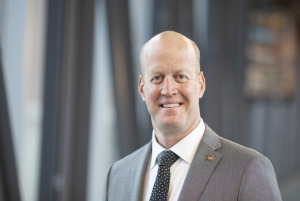
Gil Peri begins his new job just as the system is about to undertake one of its biggest projects in a decade—relocating its maternity services from Methodist Hospital to new, centralized maternity and newborn health unit at Riley Hospital, as part of a $142 million expansion.
The report from the inspector general of the Department of Health and Human Services found that nursing home deaths overall jumped by 169,291 from the previous year, before the coronavirus appeared.

Legal experts say such vaccine requirements, particularly in a public health crisis, will probably continue be upheld in court as long as employers provide reasonable exemptions, including for medical conditions or religious objections.
More than 541,000 free COVID-19 tests have been provided at an OptumServe site since May 6, 2020, the state said last week, when it announced it was closing the vendor’s testing sites at the end of June.
Legal experts say such vaccine requirements, particularly in a public health crisis, will probably continue to be upheld in court as long as employers provide reasonable exemptions, including for medical conditions or religious objections.
Community Health said more than 60 percent of the system’s 16,000 employees have already voluntarily received the vaccine since becoming eligible to receive it in December.
Ascension Technologies, the IT subsidiary of St. Louis-based Ascension, is outsourcing the jobs to overseas companies.
With medical visits picking up again among patients vaccinated against COVID-19, health providers are starting to see the consequences of a year of pandemic-delayed preventive and emergency care.

Since July, however, the hospital system has seen an “upward positive trend in all its services,” it said in a debt filing, the latest signal that the worst of the pandemic’s financial affects on hospitals might be over.
The tech giant announced it will immediately expand Amazon Care to interested employers in Washington state. By the summer, it will expand nationally to all Amazon workers and to private employers across the country who want to join.

A prominent Indianapolis surgeon is suing Indiana University and Indiana University Health, claiming they broke his contract and interfered with his ability to get another job.
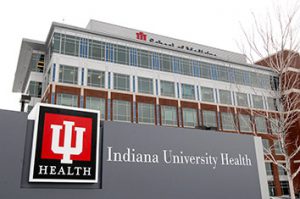
Declines were seen almost across the board in patient service categories, including hospital admissions, surgeries, ER visits, radiological exams, due in part to a government order to shut down elective procedures for several months.
The hospitals, including six in the Indianapolis area, will be docked millions of dollars by the Centers for Medicare & Medicaid Services for high rates of infection or patient injuries.
Indiana Gov. Eric Holcomb announced Wednesday that he is extending his executive order that outlines restrictions based on the rate of infection in each county for another three weeks.
U.S. hospitals slammed with COVID-19 patients are trying to lure nurses and doctors out of retirement, recruiting students and new graduates who have yet to earn their licenses and offering eye-popping salaries in a desperate bid to ease staffing shortages.