Indiana lawmakers scale back on private school aid expansion
Critics argued the original proposal opened up tuition payments to private schools for even the wealthiest families.
The grants are intended to support operating expenses for the Indianapolis-based education not-for-profit, as well as its work to support K-12 teachers, parent and student achievement.
The complaints claim that the school board failed to alert the state Department of Education of its available buildings slated for closure within 10 days of voting to close the schools on Nov. 17, as required by law.
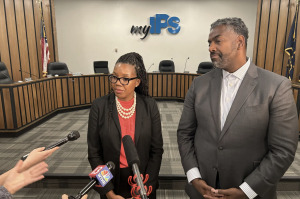
IPS heads into the new year amid public disagreement between district officials and some charters over how much funding from the referendum should be split up between different schools, if voters approve it.
The six planned school closures follow the IPS board’s vote to adopt the Rebuilding Stronger plan last week.
The tax referendum—which would be on the May 2023 ballot—would increase the median homeowner’s bill by $6 per month, IPS officials said.
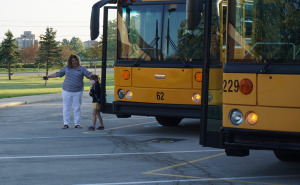
Tony Dzwonar had just wrapped up three consecutive terms on the Washington Township school board—serving from 2008 to late 2020—and was looking for a way to spend his extra free time. Then he remembered that the district—like most school corporations—needed bus drivers.
Advocates for sex education in schools say the subject has been politicized by conservatives and lumped into the loud debate about what students are learning about race and what books they have access to in school.
The deal is with StageClip, a company that uses livestreaming to create 30- to 45-second videos of each graduate who crosses the stage at participating high schools and colleges.
The lawsuit filed by the state Attorney General’s Office in July accused the two online schools of padding their student enrollments and inappropriately paying money to a web of related businesses before they were shut down in 2019.
Some teachers fear they would have to water down or eliminate lessons about important events in history if the state passes sweeping new regulations on how they may address race and racism.
At least four of 11 Marion County school districts are buckling under the weight of quarantines as staff absences force a return to remote learning.
Indiana lawmakers on Wednesday began debate on a Republican-backed bill that would require all school curricula to be posted online for parental review and ban schools’ ability to implement concepts like critical race theory.
Policymakers say that without clear information from school districts, it is hard for the public to know if the money is benefiting students.
By teaching fewer subjects to more students, specialists run the risk of weakened student relationships, reducing teacher effectiveness in reading and math, according to the paper.
For students in Marion County, the deficiency begins in preschool and lasts until they’re preparing for college, according to a new report commissioned by the Indianapolis-based Richard M. Fairbanks Foundation.
The two highest-paid executives departed the powerful education not-for-profit in recent months, an indication the Indianapolis-based organization is rethinking aspects of its strategy.
In recent years, Indiana lawmakers have prioritized across-the-board increases for schools over support for disadvantaged students, favoring budget strategies that buoy more affluent districts while higher-poverty schools say they’re left without enough resources to serve disadvantaged students.
Katie Jenner, who is an adviser to Republican Gov. Eric Holcomb, formerly served as a vice president at Ivy Tech Community College.
The increased difficulty of finding substitutes is forcing districts to more frequently shift their staffing, with teachers who provide instruction in specialized classes instead being drafted to fill in for absent teachers.