
State kicking MDwise from Indiana Medicaid program
Indianapolis-based MDwise, which said it has provided Indiana Medicaid services for more than 30 years, has already launched a court challenge to the state’s action.

Indianapolis-based MDwise, which said it has provided Indiana Medicaid services for more than 30 years, has already launched a court challenge to the state’s action.

Thursday’s announcement is the latest attempt by the Trump administration to rein in soaring drug prices in its efforts to address cost-of-living concerns among voters.

Kevin Calvert, 57, was charged with 43 counts of Medicaid fraud and an additional count of theft following an investigation by the attorney general’s Medicaid Fraud Control Unit.
Indiana’s hospital systems could face hundreds of millions of dollars in annual Medicaid reimbursement cuts if the rates they charge to employer-provided insurance plans are higher than thresholds set by Gov. Mike Braun’s administration.

Shares in Indianapolis-based Eli Lilly and Co. were on the rise Wednesday after President Trump suggested the company would be next up to cut a deal over drug pricing.
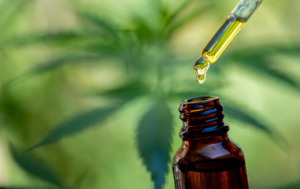
The video jolted the cannabis industry, sending stocks soaring and raising hopes that the president will take a permissive approach to marijuana.

Other parts of Indiana’s HIP 3.0 proposal are still under consideration, including an expansion on provider taxes, cost-sharing requirements and wellness incentives.

Hospital leaders who spoke with Inside INdiana Business emphasized the bill wouldn’t increase funding, it would give hospitals access to funding that’s already been allocated.
In explaining the rising prices, insurers and employers point to two recent factors: the tariffs on pharmaceutical imports and the high cost of new obesity treatments.

Planned Parenthood said Thursday’s ruling means that more than 1.1 million patients can’t use their Medicaid insurance at its health centers.
Over the course of a decade, Indiana’s per-enrollee costs for certain Medicaid recipients are expected to surge by 43% and 72% for lower-income and elderly Hoosiers, respectively.
Trump administration officials have offered mixed messages about GLP-1s and whether they should be relied upon for weight loss by obese and overweight Americans.
In its lawsuit, Planned Parenthood had argued that it would be at risk of closing nearly 200 clinics in 24 states if it were cut off from Medicaid funds.
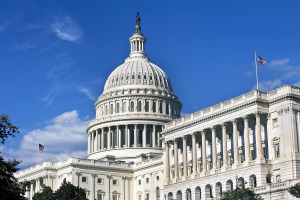
Republican leaders are buying time as they search for ways to secure support for President Donald Trump’s big bill of tax breaks and spending cuts, but the endgame wasn’t immediatley in sight early Tuesday morning.

While Medicaid law allows people to choose their own provider, it doesn’t make that a right enforceable in court, the justices found.
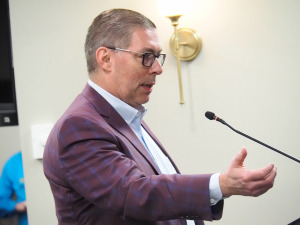
Mitch Roob is taking his second turn leading the Family and Social Services Administration, which has the single largest budget due to its federal funding. Previously, he led the agency under former Gov. Mitch Daniels.
Hoosiers getting insurance under the Healthy Indiana Plan would need to log at least 20 work or volunteer hours a week with the state, a move that supporters hope will curb the program’s enrollment numbers.
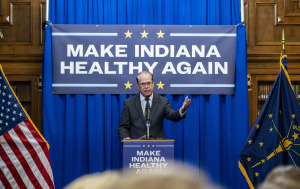
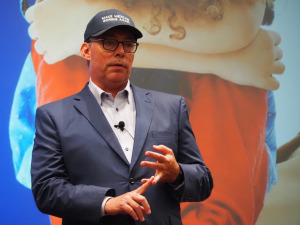
Gov. Mike Braun was joined by top Trump health officials Robert F. Kennedy Jr. and Dr. Mehmet Oz as he introduced nine executive orders signed under his “Make Indiana Healthy Again” initiative Tuesday.

Gov. Mike Braun’s new initiative borrows from Kennedy’s “Make America Healthy Again” slogan, which Kennedy, the U.S. health secretary, borrowed from President Donald Trump’s campaign.
Senate fiscal leaders presented a conservative state budget plan Thursday morning that drops universal school choice and extraneous spending.