Second Broad Ripple bar owner charged with underreporting millions in sales
The owner of Rock Lobster and other bars is the second owner charged as a result of an investigation that began with 10 Broad Ripple establishments.
Read More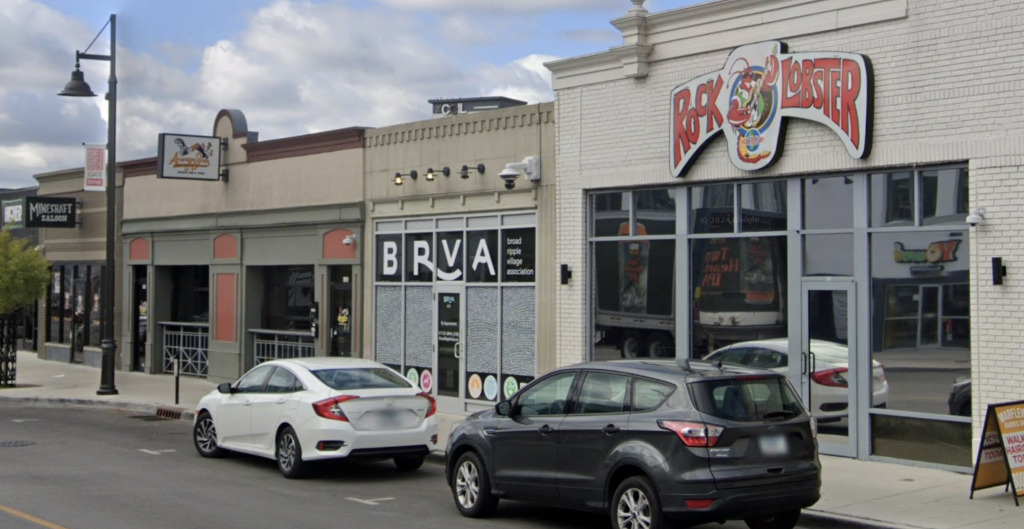
The owner of Rock Lobster and other bars is the second owner charged as a result of an investigation that began with 10 Broad Ripple establishments.
Read More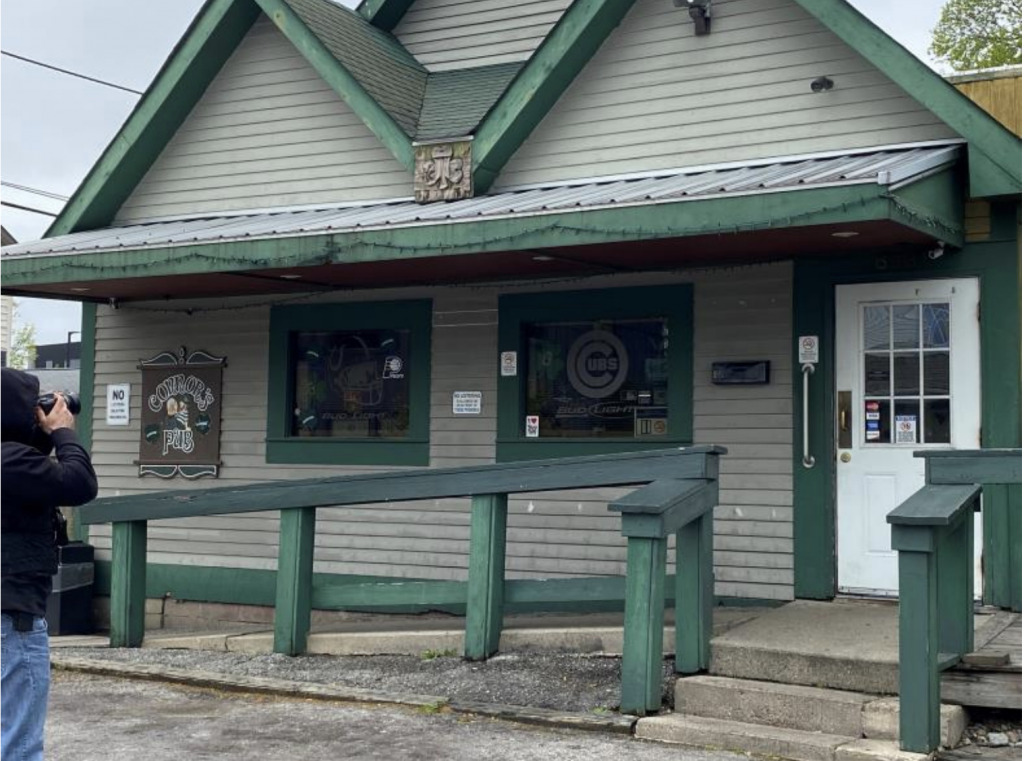
John Yaggi also faces a misdemeanor charge related to allegations that he offered an employee higher-paying shifts in exchange for sexual favors.
Read More
Lawmakers on both sides of the aisle have advocated for this exemption for years.
The cities are set to ask state lawmakers to change the rules that govern how and when cities can benefit from taxes generated by sports-related projects.

Analyst Neva Butkus with the Institute on Taxation and Economic Policy called the state’s tax system “deeply regressive,” meaning that lower-income residents contribute larger shares of their income toward government services.

A bill that would allow Indiana tech parks to capture a larger share of tax revenue is poised to become law after the Senate voted unanimously Monday to advance the legislation to the governor’s office.

A bill that would divert some $6 million in state and local tax revenue annually to state-certified technology parks has passed the Senate and is headed to the House, where similar legislation died two years ago.
Senate Bill 325, authored by Republican Sen. Travis Holdman, chairman of the powerful Senate Tax and Fiscal Policy Committee, would make any retail item purchased July 15-31 exempt from Indiana’s 7% sales tax.
Pandemic-related drops in sales and individual income taxes—the state’s top two revenue sources—continue to have the most significant impact on the state budget.
 Lindsey Erdody and
  Samm Quinn
 State and local government budgets are expected to be hit hard as a result of restaurants, retailers and other businesses being closed for weeks.
Lindsey Erdody and Samm Quinn A former Senate budget writer said the hit to the state budget could be bigger than during the Great Recession, when state revenue dropped 15% over two years.
The tax would have the biggest impact in Greenwood, where it could generate $2.5 million in 2020 and $2.6 million in 2021.
The ruling allowing states to require retailers to collect sales taxes from online customers could mean millions of dollars of tax revenue. But a number of Hoosier companies say the ruling creates more questions than answers—and could lay a heavy burden on some small businesses.
The 5-4 ruling Thursday is a win for states, including Indiana, who said they were losing out on billions of dollars annually under two decades-old Supreme Court decisions that impacted online sales tax collection.
Advocates say removing Indiana’s sales tax on many service-based software transactions would be a step in the right direction for the state’s growing tech industry.
The Supreme Court agreed Friday to wade into the issue of sales tax collection on internet purchases in a case that could force consumers to pay more for certain purchases and allow states to recoup what they say is billions in lost revenue annually.
Gov. Eric Holcomb is asking lawmakers to clarify that the state’s sales tax doesn’t apply to software provided on the cloud. But that’s not the only tech-related legislation introduced at the General Assembly.
Gov. Eric Holcomb wants to boost Indiana’s tech sector with a tweak to state tax law that will benefit software firms and their customers but reduce state revenue as much as $10 million a year.

The mismatched identities causes problems, especially for businesses, because ZIP codes determine the city used in an address.
The plan repeals the estate tax and alternative minimum tax, lowers the corporate tax rate, and reduces the number of tax brackets while lowering the highest tax rate. One of the largest boons for the middle class would be that it doubles the standard deduction.
The state of Indiana has been clamoring to collect sales tax from out-of-state retailers. The only problem is a U.S. Supreme Court decision that says it can’t.
Lawmakers are advancing a bill that would compel large, online retailers to collect and send sales taxes to the state—injecting Indiana into a national tussle over the issue.