Wall Street falls to its worst drop since the Iran war as oil prices rise
The S&P 500 slumped 1.7% for its worst day since January and is back on track for a fifth straight losing week.
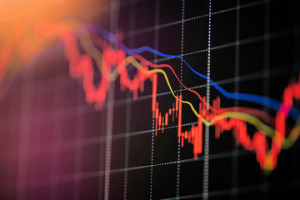
The S&P 500 slumped 1.7% for its worst day since January and is back on track for a fifth straight losing week.
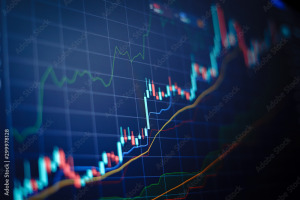
A cautious relief swept through financial markets Monday after President Donald Trump said the United States has talked with Iran about a possible end to their war.
Uncertainty about the war has sent prices in financial markets careening up and down hour by hour this week, with most taking their cues from what the price of oil is doing.
For millions of Americans, their 401(k) or IRA is their largest financial investment, and many of those accounts are tethered to S&P 500 index funds.

Peter Dunn and host Mason King explore the gap between positive economic news on the macro level and the pessimism many consumers are feeling about their personal finances.
U.S. companies are under pressure to deliver strong growth in profits to justify the runs to records their stock prices have made.
All of the major U.S. stock indexes posted double-digit gains in 2025, in a market driven by both optimism and uncertainty.
Materials stocks—a group of companies ranging from steelmaker Nucor Corp. and paint maker Sherwin-Williams Co. to packaging manufacturers including Smurfit WestRock Plc and Ball Corp.—are set to see earnings rise 20% in 2026.
After three years when the equity market’s rip-roaring run made a mockery of any bearish calls, sell-side strategists are marching in lockstep optimism for 2026.
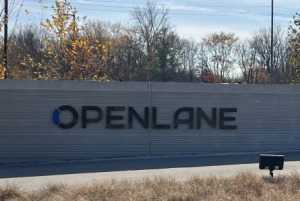
The old ticker symbol is a holdover from OpenLane’s previous name, KAR Auction Services Inc. The new symbol debuts at the open of trading Dec. 26.

Bitcoin and companies tied to cryptocurrencies extended a nearly two-month swoon Monday, tracking with a broader market sell-off in technology companies that many see as overvalued.

 Susan Orr and
 The Carmel-based regional airliner had been a publicly traded company until April 2017, when it emerged from Chapter 11 bankruptcy as a privately held company.

The S&P 500 is still up more than 12% for the year and the tech-heavy Nasdaq is up more than 15%.

It’s just the latest landmark for Indianapolis-based Lilly, which was catapulted into the top spot as the world’s largest health care company by market capitalization in 2023.

A stellar earnings report from Nvidia eased worries that the AI craze propelling the stock market and much of the economy for the past year is on the verge of a massive collapse.
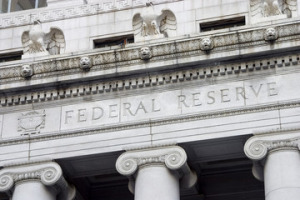
Chair Jerome Powell said in a news conference that another rate cut in December was “not a foregone conclusion.”

The company cited growth in its health benefits unit, which is includes individual and employer coverage, Medicare, Medicaid and federal employee program businesses.

The path to going public during the shutdown requires some creativity, as well as the willingness to venture into uncharted territory.
Wall Street is having one of its best years in dealmaking in a long time. Initial public offerings are back, with several major companies going public this year.

The IPO market is on track for its best year since 2021, according to Renaissance Capital.