
After Supreme Court strikes down Trump’s tariffs, companies look for refunds
What’s going to happen to the money the government has already collected in import taxes that have been declared unlawful? The way forward could prove chaotic.
What’s going to happen to the money the government has already collected in import taxes that have been declared unlawful? The way forward could prove chaotic.
The decision centers on tariffs imposed under an emergency powers law, including the sweeping “reciprocal” tariffs he levied on nearly every other country.

The court’s conservative majority on Monday suggested that it would overturn the 90-year-old decision that has limited when presidents can fire the board members of independent federal agencies.
At issue in the pair of combined cases before the Supreme Court is whether the president exceeded his authority by relying on a 1977 law to impose the tariffs.
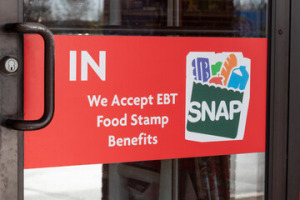
The legal issue over the funding could be rendered moot soon if a deal advancing on Capitol Hill to end the shutdown is adopted. That measure—which has passed the Senate, with the House expected to vote as soon as Wednesday—would fund SNAP through September.
The legal wrangling could be moot if the U.S. House adopts and Trump signs legislation to quickly end the federal government shutdown.
The request is the latest in a flurry of legal activity over how a program that helps buy groceries for 42 million Americans should proceed during the historic U.S. government shutdown.
The justices, without comment, turned away an appeal from Kim Davis, the former Kentucky court clerk who refused to issue marriage licenses to same-sex couples.
The demand from the U.S. Department of Agriculture came as more than two dozen states warned of “catastrophic operational disruptions” if the Trump administration does not reimburse them.
Officials in more than a half-dozen states confirmed that some SNAP recipients already were issued full November payments on Friday. But Jackson’s order could prevent other states from initiating the payments.
The ruling could be a make-or-break political moment for Trump’s presidency. He has made tariffs central to his tenure, wielding them as leverage not only in trade negotiations but in a wide range of disputes both large and small.
President Trump has called the case one of the most important in the country’s history and said a ruling against him would be “catastrophic” for the economy.
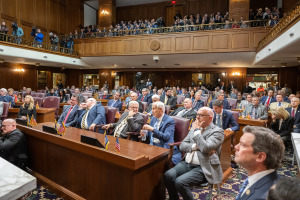
If Indiana Republicans approve new maps, will they be ready in time for 2026? And will they hold up in court?
During 2 -1/2 hours of arguments, the court’s six conservative justices seemed inclined to effectively strike down a Black majority congressional district because it relied too heavily on race.

The rebuff delivered in a one-sentence decision by the Supreme Court means Google will soon have to start an overhaul of its Play Store for the apps running on the Android software.
The Supreme Court granted an unusually quick hearing on President Donald Trump’s sweeping tariffs on Tuesday, putting a policy at the center of his economic agenda squarely before the nation’s highest court.
The crux of the legal fight is over nearly $5 billion in congressionally approved aid that President Donald Trump last month said he would not spend.
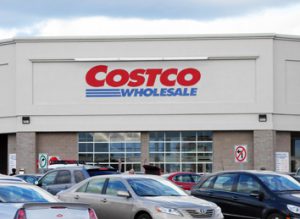
Costco received pressure from groups on both sides of the issue, many of them investors in the nationwide grocery giant.
The Justice Department argued that a federal judge was wrong to block the National Institutes of Health from making cuts to align with President Donald Trump’s priorities.
The high court action enables the administration to resume work on winding down the department, one of President Trump’s biggest campaign promises.