With the pandemic showing no signs of easing, officials acknowledge the daunting challenge of trying to contain the coronavirus and prevent further economic distress.
Two rental assistance programs launched to help state and local residents during the pandemic are already nearing their capacity, just three days after applications opened.
Senior Trump administration officials have begun signaling their willingness to approve a narrow extension of the enhanced unemployment benefits helping tens of millions of jobless Americans hurt by the coronavirus pandemic.
With Congress bracing for the next coronavirus aid package, Senate Majority Leader Mitch McConnell is outlining Republican priorities as earlier programs designed to ease Americans through the pandemic and economic fallout begin to expire.
As a lawyer and law professor, I believe I can contribute by using both my legal skills and my public role as incoming dean of the Indiana University Robert H. McKinney School of Law.
The $25 million program, funded through federal aid the state received through the Coronavirus Aid, Relief, and Economic Security Act, will provide assistance of $500 per month for up to four months. The state expects the program to help about 12,000 households.
The Greater Indianapolis Progress Committee on Thursday announced the creation of a working group to look at ways to tackle racism and bias in Indianapolis.
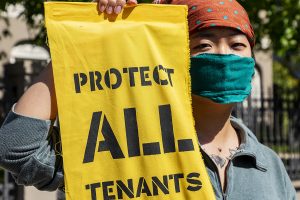
Unless resources can be found to help renters pay current and past rent, Indiana is likely to face a tidal wave of evictions, and the worst consequences will fall on families of color. Some
Indiana Gov. Eric Holcomb on Wednesday said he would activate Stage 3 of his pandemic reopening plan on Friday—two days earlier than previously scheduled.
Advocates for both low-income residents and landlords are calling for an emergency rental assistance program that would help tenants cover payments and keep revenue flowing for apartment owners.
Advocates agree that the federal and state moratoriums are helpful, but say renters will need more help long term. Even one missed rent payment can put low-income residents so far behind they can’t recover.
The Treasury Department says about 80 million Americans received their payments as of Wednesday. Millions more have signed up to get direct deposit, and paper checks will be distributed starting later this month.
The list of volunteer professionals includes doctors, nurses, paramedics, dentists, veterinarians, therapists and midwives. Many of those people will be used to free up health care workers who have experience with more critical care.
The governor’s decision to block the bill from becoming law allows tenant protections the city of Indianapolis recently put in place to remain in force.