The Indianapolis City-County Council will get a pay hike for the first time in more than two decades, after it voted Monday night along party lines to increase compensation starting in 2024.
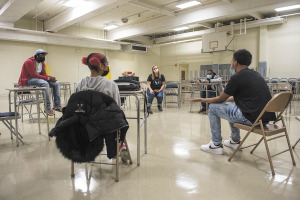
Indianapolis has put more than $30 million into about 600 grants since 2009, when it launched what’s now called the Violent Crime Prevention Grants Program.
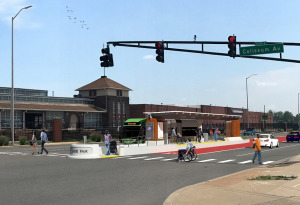
Indianapolis is moving ahead with the next two legs of its massive bus rapid transit project, after a messy legislative session and pandemic-related problems threw a wrench in the timeline.
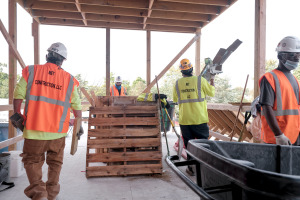
The City-County Council on Monday evening approved rezoning for a mixed-use, affordable housing project set for Fall Creek Place, overturning a Metropolitan Development Commission denial and ending months of pushback from some residents.
A city proposal to require tracking of municipal and commercial energy use could save millions of dollars, reduce emissions by thousands of tons and cut water usage by billions of gallons in less than a decade.
The Democratic-majority council passed the measure 19-5, along party lines, with Republicans opposed because the order didn’t fully lift all capacity limits for businesses.
Republicans will be forced to work with Democrats to see any GOP proposals take flight. And new, young Republican councilors say they’re eager to work across the aisle.
Democrats picked up at least five seats—and possibly six, depending on the outcome of a race with a razor-thin margin. Republican leader Mike McQuillen was among the GOP casualties.
Residents in Marion County will be determining the next mayor of Indianapolis and 25 City-County Council races. Several races in Hamilton County are also contested.
But not everyone agrees the change will make a significant difference in ensuring the city’s bidding process is more inclusive, and they argue more work needs to be done.