Westfield special census shows 39% population growth since 2020

The increased population is expected to mean an additional $1.6 million in state-funding distributions annually for the city.
Read More
The increased population is expected to mean an additional $1.6 million in state-funding distributions annually for the city.
Read More
Indiana’s growth rate was faster than the rate in neighboring Kentucky, Ohio, Michigan and Illinois.
Read More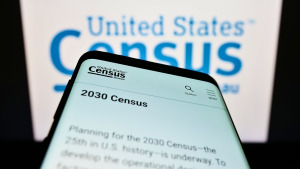
As the challenges work their way through the courts, the Census Bureau is pushing ahead with its planning for the 2030 count and intends to conduct practice runs in six locations this year.

Westfield officials sought the special census to determine the number of people living in the fast-growing Hamilton County city and ensure the community receives adequate funding and resources.
Any changes in the conduct of a national census would require alterations to the Census Act and approval from Congress, and there likely would be a fierce fight.

The 44,144 residents added in 2024 represent Indiana’s largest one-year increase since 2008.

Overall population growth in Indiana will nearly skid to a halt by the 2050s while the Indianapolis metropolitan area attracts residents at relatively robust clip over several decades, according to new projections from Indiana University demographers.

The consolidated city-county recorded a net loss of about 8,000 residents between 2020 and 2023, according to recently released U.S. Census Bureau data.
The population projections offer a glimpse of what the nation might look like at the next turn of the century.
Meanwhile, the Indianapolis suburbs continue their growth, with Hamilton County cities among the nation’s fastest-growing municipalities.
Almost 1,000 cities, towns and villages in the U.S. lost their status as urban areas on Thursday as the U.S. Census Bureau released a new list of places considered urban based on revised criteria.
During the first two years of the pandemic, the number of people working from home tripled, home values grew and the percentage of people who spent more than a third of their income on rent went up, according to survey results released Thursday by the U.S. Census Bureau.
Under the new Census Bureau criteria, more than 1,300 small cities, towns and villages designated urban a decade ago would be considered rural. That matters because urban and rural areas qualify for different types of federal funding.
The National Archives will unveil a huge batch of the intimate details from the 1950 Census—on 6.4 million pages digitized from 6,373 microfilm census rolls. The information was collected under the promise it would be locked away for 72 years.

Indiana’s population growth in 2021 was the smallest annual increase since 2015, according to analysis released Thursday by the Indiana Business Research Center at Indiana University.
The report released Thursday captures the second half of a decade-long expansion in the U.S. economy that followed the Great Recession.
The United States’ population grew by just 0.1% in the past year, the lowest rate since the nation’s founding, according to Census estimates.
College communities such as Bloomington, Indiana; Tuscaloosa, Alabama; and State College, Pennsylvania, are exploring their options for contesting the population counts, which they say do not accurately reflect how many people live there.
Some demographers pointed out that the white population was not shrinking as much as shifting to multiracial identities. The number of people who identified as belonging to two or more races more than tripled from 2010 to 2020.
Hamilton, Boone and Hendricks counties all had population gains of more than 20% between 2010 and 2020, during which time the census found Indiana as a whole grew 4.7%.
The usual gerrymandering is expected this year as the Legislature embarks on the once-a-decade process of redistricting, though public scrutiny is expected to be much greater than in previous years.
Indiana lawmakers face the once-a-decade task of drawing new districts for congressional seats, along with the 100 Indiana House and 50 state Senate districts, based on population shifts.