
Carmel expects to land extra $1.7M due to population gains
Carmel’s population has grown by 7,755 people since 2010, the city announced Wednesday, citing a partial special census it conducted late last year.
Carmel’s population has grown by 7,755 people since 2010, the city announced Wednesday, citing a partial special census it conducted late last year.

A new study commissioned by the not-for-profit land bank Renew Indianapolis shows that just a tiny fraction of the city’s population is benefiting from renewed investment.
New census estimates show the Indianapolis metropolitan area includes four of the five fastest-growing counties in Indiana and 10 of the 11 fastest-growing cities and towns with populations of at least 5,000.
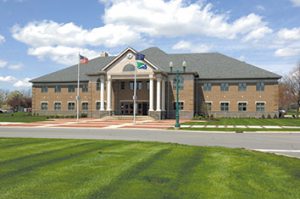
A fast-growing city like Fishers can add thousands of new residents in just a few years. But several state funding allocations are based on population numbers the U.S. Census Bureau collects only once a decade, which could grossly underestimate the city’s density.
In April, the U.S. Bureau of Economic Analysis began considering cost of living alongside the stew of income figures it has long collected, and the new, adjusted income numbers make both the metro area and the state look like better places to live.
The report says Indianapolis added an average of about 7,200 residents annually from 2010 to 2013, nearly twice its pace from 2000 to 2010.
Census Bureau estimates released Monday show Indiana’s population grew by about 33,000 people from 2012 to 2013, topping out at about 6.57 million residents.
Austin, Texas, moved from 13th to 11th, pushing Jacksonville, Fla., and Indianapolis each down a spot.
Indiana's population is projected to grow by 1 million people by 2050, to nearly 7.5 million people in total, but most of the growth will occur in the Indianapolis area, especially in the northern suburbs.
The Census Bureau estimated that 16.3 percent of Indiana residents, or 1.35 million people, lived in households earning less than the poverty level, compared with 15.1 percent nationally.
That growth has been concentrated in five counties that account for nearly 60 percent of the state's Asian population. Those counties are Allen, Hamilton, Marion, Monroe and Tippecanoe
North-central and east-central Indiana, which absorbed the brunt of the job losses, also showed the highest percentage of unoccupied homes.
New census figures show Indiana has added more than 400,000 residents since 2000.
The Census Bureau said Wednesday it will provide summaries of population totals, as well as data on race and voting age for multiple areas within the state such as census tracts, voting districts, cities, counties and school districts.

Indiana added about 400,000 new residents during the past decade, giving the state enough population growth to safeguard its nine U.S. House seats and avoid a repeat of the one-seat loss it saw after the 2000 census.

Unlike a decade ago, when the 2000 census cost Indiana one of its U.S. House seats, the state is expected to hold on to all nine of its congressional districts Tuesday when the U.S. Census Bureau releases new national population data, state lawmakers said.
Using U.S. Census data, the Indiana Business Research Center finds Indianapolis’ population grew by 6,854 residents last year
while Fishers, Noblesville, Carmel and Greenwood saw less-than-average gains.
The Indiana Department of Administration says mail-in results released Wednesday show Indiana tied with Iowa in its rate of
return. The two states trailed only Wisconsin and Minnesota, which both hit 80 percent. The national rate was 72 percent.
As deadline day arrives, the Indianapolis Complete Count Committee is encouraging area companies to provide funding for local
marketing and events
designed to encourage citizens to fill out their Census forms.
The Indianapolis Complete Count Committee says 19 percent of forms distributed in the city have been returned since they went
out last week. Only Baltimore, with 20 percent, had a higher rate of return among the top 25 U.S. cities.