
DuPont-Dow merger faces big EU obstacle
European antitrust officials decided this month to launch a full-blown investigation into the proposed merger Dow Chemical Co. and DuPont Co.
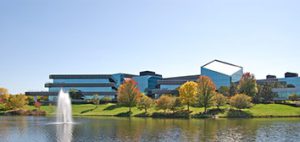
European antitrust officials decided this month to launch a full-blown investigation into the proposed merger Dow Chemical Co. and DuPont Co.
DuPont Co. and Dow Chemical Co. should tell shareholders before Wednesday’s merger vote that the combined company may face hundreds of millions of dollars in health care claims related to a chemical used to make Teflon, activists say.
Congress is working to send President Barack Obama the biggest overhaul of rules governing chemicals in four decades, a change sought by an industry that has faced a hodgepodge of retailer bans, consumer boycotts and state regulations.
The news is the latest example of a huge shakeup in the agricultural industry.
The sector is undergoing a wave of consolidation, driven in part by falling crop prices, which have reduced farmers' spending on genetically enhanced seeds. Locally based Dow AgroSciences is merging with DuPont’s ag unit, and ChemChina is buying Syngenta.
Indianapolis-based agricultural Dow Agro on Thursday said revenue in the first quarter was $1.6 billion, down 16 percent from a year ago, as the company was hurt by high inventories, currency headwinds and lower prices.
Indiana Economic Development Corp. President Jim Schellinger said state officials realized early on that the Dow-DuPont merger could have wiped out some of the best jobs in Indianapolis.

Although the city will host a “global business center,” it will be months before details are known about how the combined agriculture operations will shake out. For now, the two firms are still competitors.
In addition to job cuts, DuPont Co. said the combined corporation, called DowDuPont, would locate its specialty products company in Delaware. Officials still haven’t said where the combined ag business would be based.
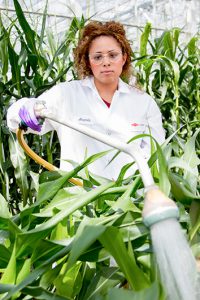
The proposed merger of Dow Chemical Co. and DuPont Co. would create the world’s largest agricultural-products company. But that’s bad news for farmers, according to some farm groups and antitrust experts.
Dow Chemical Co.'s board confirmed support for the company's merger with DuPont Co. on Monday after a news report said activist investor Daniel Loeb wants Dow's CEO to be removed.
The Dow Chemical-DuPont merger throws into doubt what will happen to the 1,500 people who work at Dow AgroSciences’ Indianapolis headquarters, especially since executives plan $1.3 billion in savings from combining ag units.
Dow and DuPont plan to divide the combined company into three publicly traded businesses, one of which would focus on agricultural products including herbicides and genetically modified seeds—the core business of Dow's Indianapolis-based Dow AgroSciences unit. DuPont also has a large ag unit.
The transaction would combine two of the most storied names in U.S. industry and create the world’s second-biggest chemical company. What it means for Indianapolis-based Dow Agro is uncertain.
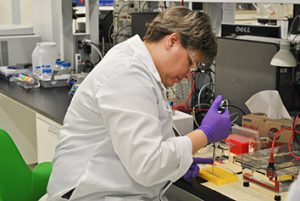
The U.S. Environmental Protection Agency has asked a federal appeals court to vacate its approval of the Enlist Duo herbicide. The move could reduce the value of Dow Agro, which might be sold by parent Dow Chemical.
Indianapolis-based Dow AgroSciences is opening the facility in the research park at the University of Illinois' Champaign-Urbana campus.
A federal appeals court has blocked the use of a pesticide made by Indianapolis-based Dow AgroSciences over concerns about its effect on honey bees, which have mysteriously disappeared across the country in recent years.
Dow AgroSciences LLC has partnered with two other firms to create super soybean seeds.
The Indianapolis-based maker of genetically modified seed traits and weed killers said Thursday that it earned $409 million before interest, taxes, depreciation and amortization, down by 19 percent from the same quarter a year ago.
Environmentalists are contesting the federal government's decision to allow more widespread use of a new version of a popular weed killer to be used on genetically modified corn and soybeans.