
Legal software firm gets boost under new leadership
A prominent law firm started a software company in 2007, but it grew fairly slowly until an outsider came in two years ago and revamped the operation.
A prominent law firm started a software company in 2007, but it grew fairly slowly until an outsider came in two years ago and revamped the operation.
The popular digital marketing conference got its start under ExactTarget in 2007. Salesforce said it would bolster its digital marketing agenda at its other events.
One of the largest employers in an Indiana county plans to lay off about 70 workers and move some production to out-of-state factories.

The exhibition featuring aircraft engines dating back to the 1920s emphasizes the manufacturer’s past while also looking ahead.
Scott McCorkle, who stepped down as CEO of Salesforce Marketing Cloud in August, will be executive in residence at High Alpha, a firm that creates and nurtures enterprise-technology companies.
A United Kingdom judge has approved settlement between Rolls-Royce Holdings Plc and UK prosecutors, resolving a bribery probe spanning three decades of misconduct at the jet-engine maker.
General Motors plans to invest $1 billion in U.S. factories and add thousands of white-collar jobs, measures that have been in the works for years but announced Tuesday after criticism from President-elect Donald Trump.
Friday’s action keeps in place pollution-reduction targets for the years 2022-2025. That means the fleet of new cars will have to average 51.4 miles per gallon by 2025, up more than 18 mpg from the 33.2 mpg requirement in 2015, the most recent year available.
The Environmental Protection Agency issued a “notice of violation” to the company that covers about 104,000 vehicles, including the 2014 through 2016 Jeep Grand Cherokee and Ram pickups.
Last year, one research firm pegged Indiana’s 2015 venture capital activity at about $55 million. This year, another firm said it was about $157 million.

The platform, called Try it Tiny, was launched by a former Wall Street investment banking analyst who noticed a demand for smallish dwellings.
Green Circle Health's client services center will provide remote health care and coaching for customers across the country, focusing in part on improving the coordination of care for chronic diseases.
A Carmel man who leads a local IT consulting and staffing company has been charged with conspiracy to commit wire fraud and money laundering.
Two proposed bills in the Indiana Legislature aim to exempt out-of-state buyers of recreational vehicles from having to pay state sales tax, even if their states don't have a reciprocal agreement in place.
Leaders of nine local tech firms see a variety of trends gaining steam in 2017, including an increased focus on cybersecurity and heightened interest in employee-engagement software.
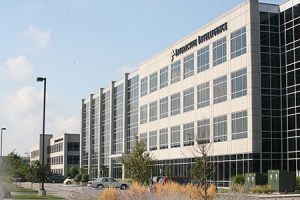
Interactive Intelligence in 2014 said it would add 430 Hoosier employees—plans it leveraged to hash out city and state tax incentive agreements. But it's local employment hasn't changed much since.
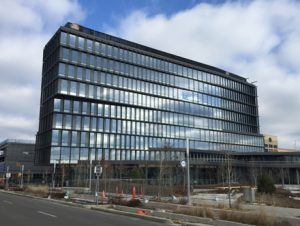
The Columbus-based engine maker says having an expanded presence in Indianapolis through its $30 million-plus global distribution headquarters should help the company recruit talent that prefers urban life.
This is the second capital raise for ClearScholar, which runs an app for college students that aims to be a primary digital destination for school information.
Demand may be slowing, but U.S. consumers still bought a whole lot of cars and trucks in 2016.
Republic, which makes hollow metal doors and frames, had sales of $20 million in 2015.