PayPal’s online checkout empire under siege as rivals squeeze its core business
PayPal helped invent online checkout. Nearly three decades later, it’s struggling to defend its turf.
Read More
PayPal helped invent online checkout. Nearly three decades later, it’s struggling to defend its turf.
Read More
GameStop disclosed earlier this month that it was pursuing a takeover of eBay, seeing it as a vehicle to compete with online retail giant Amazon.
Read More
The national gaming retailer said that its 1,600 or so U.S. stores could become drop-off and shipping locations for the online commerce giant.

Shares in QVC Group, which went for over $900 a decade ago, were trading for less than $3 earlier this week.
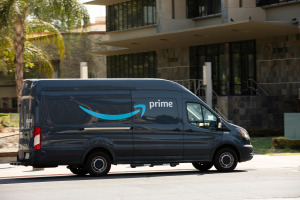
The e-commerce colossus said customers in more than 2,000 cities, towns and suburban areas can now choose to have orders from its inventory of 90,000 items delivered in three hours.

Economists also believe that severe winter weather throughout most of the country also hurt sales as shoppers were unable to go to physical stores. In fact, online retailers enjoyed a 1.9% sales increase in January.

The 27-nation bloc’s executive arm said Tuesday that it opened a formal investigation into the online retailer, which has major distribution operations in central Indiana.

The president first teased TrumpRx in September while announcing the first of his more than 15 deals with pharmaceutical companies, including Indianapolis-based Eli Lilly and Co., to lower drug prices.
Recent investments in artificial intelligence have helped supercharge the stock’s advance.

As the senior director of community engagement at Yelp Inc., a website that helps users connect with local businesses, Smith oversees activities in the 100 or so U.S. and Canadian cities where Yelp has a presence.
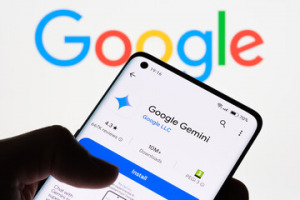
Google, OpenAI and Amazon all are racing to create tools that would allow for seamless AI-powered shopping by taking chatbot users from browsing to buying within the same program instead of having to go to a retailer’s website.

The month after Christmas has been dubbed “Returnuary” for good reason. The National Retail Federation estimates 17% of holiday purchases will be sent back this year.
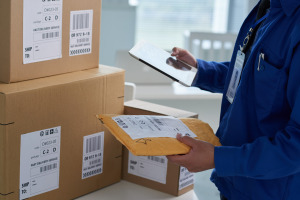
Companies like Amazon, which provides same-day or overnight shipping in many cases, are changing their delivery vehicles and processes to minimize environmental impact.

A recent report by consumer advocacy agencies said Instacart offered nearly three out of every four grocery items to shoppers at multiple prices as part of an experiment.
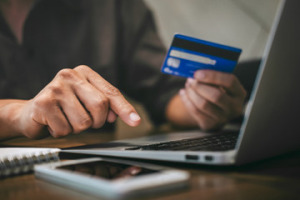
Consumers have turned to online deals to make post-Thanksgiving purchases from the comfort of their own homes—or opt to stretch out spending across longer promotions now offered by retailers.

Ford joins Hyundai on the Amazon Autos portal, which allows car buyers to browse, finance and purchase a used car by clicking on the familiar “add to cart” icon.
Initially, the Help Me Decide tool will be available to “millions” of U.S. consumers picked randomly, suggesting a limited test to see how it performs and whether shoppers use it.
The retailer’s products will be available through instant checkout in ChatGPT—allowing users to buy anything from meal ingredients or household items, to other goods they might be discussing with the chatbot.
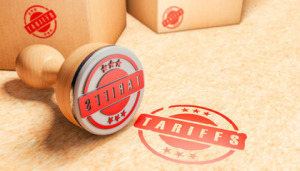
Proponents of limiting the exemption argue that it has served as a way for China-founded retail platforms like Temu and Shein to flood the U.S. with low-priced goods.

Adobe Digital Insights, which tracks visits to e-commerce sites, reported that U.S. consumers spent $7.9 billion at online stores on Tuesday, a 9.9% increase from the comparable day last year.
Temu’s sales decline in the U.S. is deepening as the online marketplace drastically cuts spending on advertising targeting American consumers, signaling a shift in focus after President Donald Trump’s tariff barrage.
Nike, which sells footwear, clothing and other items, cut ties with Amazon in 2019, at a time when the online retailer was trying to lure big brands to its website.