Census shows many rural Indiana counties lost population while metro Indy grew
Hamilton, Boone and Hendricks counties all had population gains of more than 20% between 2010 and 2020, during which time the census found Indiana as a whole grew 4.7%.
Before the pandemic, American women were already having fewer children, doing it later in life or choosing to not have children. The newly released data indicated a sharpening of that trend.
Indiana lawmakers face the once-a-decade task of drawing new districts for congressional seats, along with the 100 Indiana House and 50 state Senate districts, based on population shifts.
The population figures, known as the apportionment count, determine distribution of $1.5 trillion in federal spending each year. They also mark the official beginning of once-a-decade redistricting battles.
Adjacent Illinois’ population fell by 79,487 residents to 12.6 million, the second biggest loss nationwide after only New York state.
But first—Chris Jensen said—the city needs to take steps that will help guide and keep a handle on the coming influx of residents and businesses.
The increase is the Indiana’s strongest annual gain since 2009 and outpaced neighboring states.
The company—one of two offering rent-by-the-minute scooters in Indianapolis—said it plans to return to business once the city establishes its regulatory procedures.
Indianapolis added an estimated 5,549 people between July 1, 2016, and July 1, 2017, but was passed by a Texas city that added 18,664 people.
The decrease was taken as a positive sign by city leaders who are trying to increase efforts to provide more people with permanent housing.
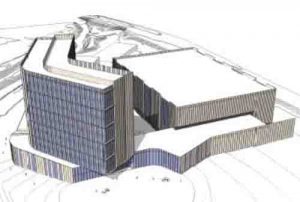
The same proposal also authorizes the city to spend $4.2 million for the acquisition of 140 acres of land from Citizens Energy Group as the site for the new jail, courthouses and mental health center.
A Sagamore Institute study discovered that the portion of Indianapolis residents living in poverty increased from 11.8 percent in 2000 to 21.3 percent in 2015—an increase of 85,063 people.
The first pieces of the new initiative involving businesses, social-service groups and the police are launching this month.
Attracting higher-wage residents is key to future growth as city revenues have stagnated and local governments have become increasingly reliant on income taxes. Republican Chuck Brewer and Democrat Joe Hogsett are proposing ways to bolster Indy neighborhoods.
A fast-growing city like Fishers can add thousands of new residents in just a few years. But several state funding allocations are based on population numbers the U.S. Census Bureau collects only once a decade, which could grossly underestimate the city’s density.
Despite the relatively strong growth, Indianapolis was passed by Jacksonville, Florida, and San Francisco on the list of the nation's largest cities and now ranks 14th.
The report says Indianapolis added an average of about 7,200 residents annually from 2010 to 2013, nearly twice its pace from 2000 to 2010.
Census Bureau estimates released Monday show Indiana’s population grew by about 33,000 people from 2012 to 2013, topping out at about 6.57 million residents.
Indiana's population is projected to grow by 1 million people by 2050, to nearly 7.5 million people in total, but most of the growth will occur in the Indianapolis area, especially in the northern suburbs.
Indiana added about 400,000 new residents during the past decade, giving the state enough population growth to safeguard its nine U.S. House seats and avoid a repeat of the one-seat loss it saw after the 2000 census.