U.S. renters see chance of owning a home at record low, survey shows
Amid elevated prices, high mortgage rates and difficulty saving money for a down payment, only about four in 10 renters think that they will be able to buy a home.
Read MoreAmid elevated prices, high mortgage rates and difficulty saving money for a down payment, only about four in 10 renters think that they will be able to buy a home.
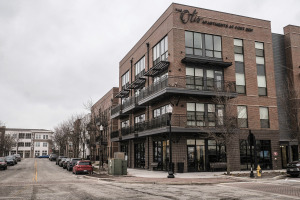
Read MoreNearly 29,000 residents now live downtown, up from about 15,000 in 2010. It’s a number that has been growing as developers continue to add apartment and condo units in the Mile Square and downtown neighborhoods.
Read MoreLocal hotel rooms are virtually sold out this weekend for the Final Four in Indianapolis, and property owners who rent out their homes on sites like Airbnb and Vrbo say they’re also seeing high demand.
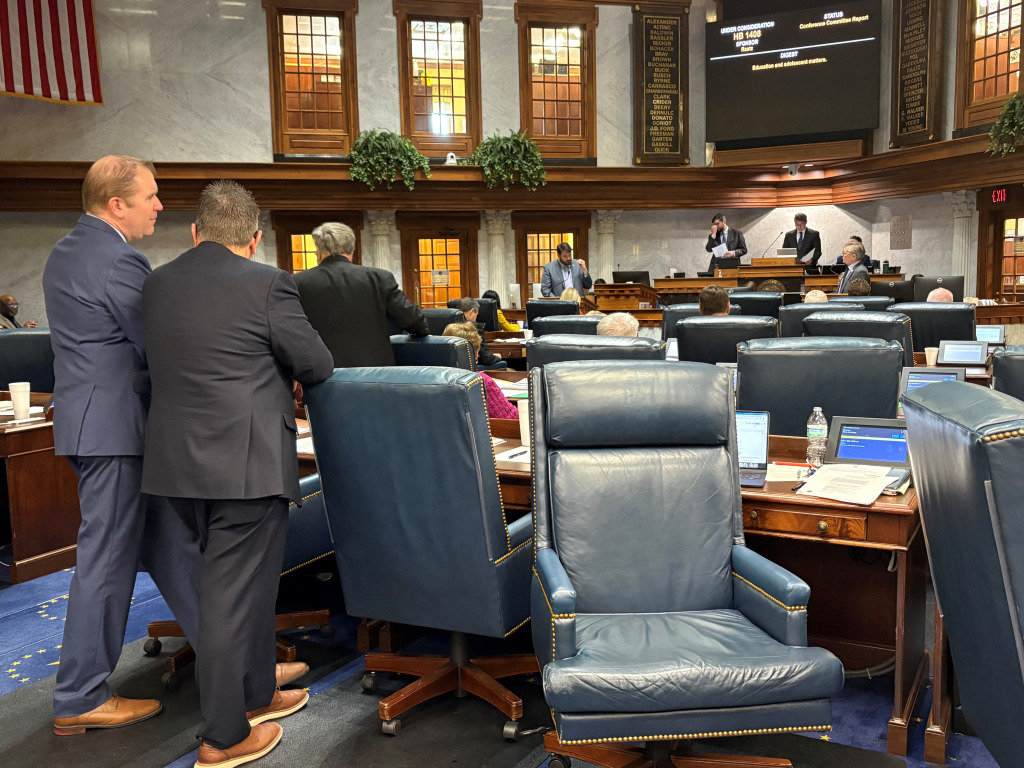
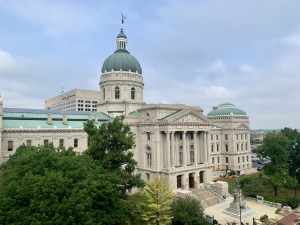
Indiana lawmakers sent Gov. Mike Braun a hefty local finance bill on the last day of the legislative session, weighing in on thorny topics such as local income tax allocations, rental property caps and data centers.
Fishers Mayor Scott Fadness said he appreciates an attempt to compromise on rental cap ordinances, but feels the Legislature isn’t listening to what local communities want.
While 84% of the people born in 1950 became homeowners at some point in their working lives, the researchers estimated that only 74% of 1990 babies will follow suit.
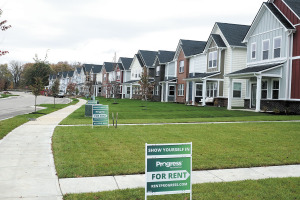
Communities across central Indiana are taking notice as out-of-state investment companies continue to increase their market share of single-family houses and convert them to rentals.
Some advocates warn Senate Bill 157—which would require police to remove “squatters” within 48 hours—would allow landlords to skip the court, chipping away at tenants’ rights.
The lawsuit is among the Justice Department’s first major enforcement actions in which software is being alleged as the primary means of collusion.
The plan is likely to prove controversial among economists, including many Democrats. Experts on both sides of the aisle tend to argue that government limits on rent discourage new development by making it less lucrative.
The proposal would create a permitting system that imposes a $150 annual registration fee and allows the Department of Business and Neighborhood Services to conduct an inspection of the properties.
The findings, from an annual report jointly published by the National Low Income Housing Coalition and Prosperity Indiana concluded that Indiana dropped from 43rd to 34th in terms of affordability between 2021 and 2024.
The Tenant Advocacy Project, launched in 2021, is one of the few tools city officials have to fight Indianapolis’ high frequency of evictions, and organizers want to see the program continue.
After failing to make a significant dent in the problem over the last decade, state and federal lawmakers across the U.S. are making housing a priority in 2024 and throwing the kitchen sink at the issue.
Build-to-rent houses are typically built as a master-planned community with 100 to 200 houses, average monthly rents of around $2,000, and amenities.
The IndyRent program “pause” is to ensure renters who have filled out an application can be given the remaining funding, according to the city. Indianapolis renters have recently experienced a higher rate of evictions than the rest of the nation.
After a lull during the pandemic, eviction filings by landlords have come roaring back, driven by rising rents and a long-running shortage of affordable housing.
Being able to afford rent, according to the report, means spending no more than 30% of your income on housing. With fair market rent for a two-bedroom home at $988 per month, wages are just not keeping up.
The IndyRent application will reopen Thursday, April 27, with some new changes to the requirements and application process.
The number of people renting in downtown’s 46204 ZIP code doubled to 5,500 from 2011 to 2020, according to a recent study from California-based market researcher RentCafe.
Overall shelter costs in the United States saw their biggest year-over-year increase since 1982.
Twenty-one states and the District of Columbia allow community solar projects. Indiana is not one of them, according to the EPA.