Avon voters approve school tax renewal despite Beckwith opposition
The decision came as communities in four other Indiana districts also approved school tax questions in special elections.
Read More
The decision came as communities in four other Indiana districts also approved school tax questions in special elections.
Read More
The expansion backed by Indiana House Republicans could cost more than $500 million over the next two years—nearly one-third of the total proposed school funding increase—by raising the income limit to qualify for state money toward private school tuition.
Read More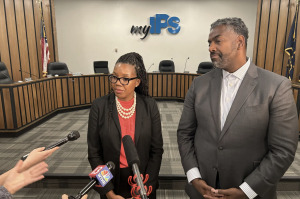
IPS heads into the new year amid public disagreement between district officials and some charters over how much funding from the referendum should be split up between different schools, if voters approve it.
On My Way Pre-K has also been slow to grow in the six years since its start, and enrollment plummeted during the pandemic by 40%. But the state is expecting increased demand.
The Teacher Pay Commission released its findings Monday in a 183-page report that includes 13 recommendations for school corporations and 24 steps state government can take to improve teacher pay.
The gap is driven by charter schools, according to the report, since they serve a greater percentage of students of color than does the average Indiana district and do not receive local property tax revenues.
Users of the newly launched INview will have more immediate access to how much schools and districts are spending per student, as well as how that figure compares to the state average and other schools with similar demographics.
Voters across Indiana, weighing school referendum requests from 10 districts in Tuesday’s elections, approved seven measures and turned down six others.
The local districts were among 10 school districts statewide that sought funding from voters to supplement the state and local money they already receive.
Lawmakers could wrap up the session as early as Wednesday but negotiations on the new two-year state budget and other issues could delay completion of its business until as late as April 29.
Nine Indiana school districts are asking voters to increase funding for education this May. Five of the districts seeking additional operating funds, including two in Marion County, are returning to voters after winning previous tax measures this decade.

State teachers union leaders aren’t encouraging such a dramatic step at this point, but other local leaders say they want lawmakers to know that teachers are fed up and fired up.

Dozens of players in the NFL—including three from the Indianapolis Colts—are hitting the books this offseason—and are being motivated by the league to do so.
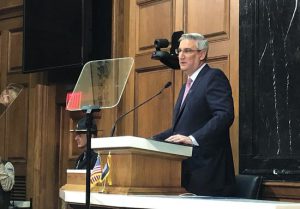
On Tuesday night, Holcomb said in his State of the State speech that the state will use $150 million from its surplus to pay off a teacher pension liability that schools have been gradually paying down.
State fiscal leaders heard some good and bad news about the state budget Monday morning in a highly anticipated revenue forecast that predicted tax receipts for the next two years.
Lawmakers have expressed support for increasing teacher pay in the next two-year budget, but the size of Jennifer McCormick’s request could be much more than what’s available.
Noblesville School Corp. and Clark-Pleasant Community School Corp. are asking voters to approve higher property taxes to pay for more safety and security efforts in their districts.

The district says that, to keep its main priority on the table—raising money for salary increases for teachers and staff—it made tradeoffs that could leave it financially vulnerable down the road.
Four years ago, then-Gov. Mike Pence created an uproar when he decided against applying for up to $80 million in federal dollars to develop the state’s fledgling public prekindergarten program. Today, Gov. Eric Holcomb faces a similar decision.

The new proposal—which comes after a week of intense negotiations between the district and the chamber—passed 5-0 at a meeting Tuesday night.
In a plan unveiled Wednesday, the Indy Chamber is proposing sweeping cuts to save Indianapolis Public Schools nearly $500 million over eight years—and drastically slash the amount the district would seek from taxpayers in referendums.
The proposed request—which comes three months after the school district abruptly withdrew referendums from the May ballot—is the first piece of a new plan to increase school funding.