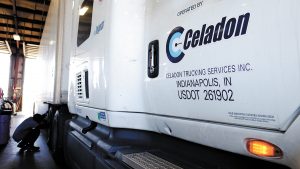
Speed-limit proposal for trucks in Indiana clears first hurdle
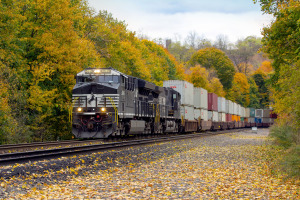
A bill that would raise the speed limit for trucks on certain Indiana roadways advanced to the full Senate on Tuesday despite opposition from the state’s largest truck drivers group.
A state Senate committee voted 5-4 to endorse the bill, a step that comes after similar proposals introduced over the past decade never advanced in the Republican-dominated Legislature.
Senators who want to impose tougher penalties when airlines strand or delay passengers say they finally might be able to turn their ideas into law because of outrage over debacles like the one at Southwest Airlines in December.
The settlement comes more than three years after the U.S. Securities and Exchange Commission filed suit against former Celadon executives Eric Meek and Bobby Peavler.
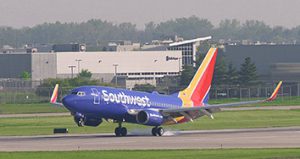
About 4,700 flights were delayed nationwide. Southwest scrubbed more than 500 flights, or about 12% of its entire schedule, while American dropped about 200 flights.
Two legislators are seeking to eliminate the lower speed limit for heavy trucks on rural interstates and highways, but their proposals appear to be another chapter in more than 30 years of fruitless efforts on behalf of independent truckers.
The report from United comes on the heels of upbeat comments by its closest rivals, Delta Air Lines and American Airlines. Officials with all three carriers say that consumers are still booking travel despite concern about the economy.
Five prior proposals to eliminate the lower speed limit for trucks have been filed in the House since 2017 without success.
Faced with a historic system failure that grounded air service, Pete Buttigieg appeared to lean into his role as the face of the beleaguered American transportation network.
Westbound lanes of I-70 through the North Split aren’t expected to reopen to motorists until the end of January, weather permitting.
As the nation’s airspace recovered Thursday, attention turned to the complicated patchwork of old technology and modern additions that make up the aging safety system.
Delays and cancellations among flights across the United States were minimal on Thursday, a day after a system that offers safety information to pilots failed, grounding U.S. air traffic and leading to thousands of stranded travelers.
The failure of a key federal safety system Wednesday led to widespread disruptions in domestic air travel for the second time in two weeks, prompting a fresh round of scrutiny from lawmakers amid continued breakdowns in technology.
The extra weight that EVs typically carry stems from the outsize mass of their batteries. To achieve 300 or more miles of range per charge from an EV, batteries have to weigh thousands of pounds.
The FAA ordered all departing flights grounded early Wednesday morning, but lifted that order just before 9 a.m. Eastern after several hours.
Drivers in many U.S. cities—including Indianapolis—were stuck in traffic far longer in 2022 than the year before, with time savings tied to the pandemic dissipating in commutes.
Now the question is what should be done to punish the airline and what can prevent such a catastrophe in the future.
With its flights running on a roughly normal schedule, Southwest Airlines is now turning its attention to repairing its damaged reputation after it canceled 15,000 flights around Christmas and left holiday travelers stranded.
Shortages of computer chips and other parts continued to hobble the U.S. auto industry last year, contributing to vehicle sales dropping to their lowest level in more than a decade.
Southwest Airlines canceled more than 15,000 flights between Dec. 22 and Dec. 30, according to tracking service FlightAware. The flight disruptions began with a winter storm that swept across the country.