
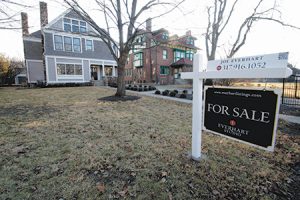
High-end homes enjoy golden sales year
Home sales of $1 million or more in the Indianapolis area have skyrocketed 143 percent since 2012. Last year, nearly 150 such homes were sold, compared to only 61 five years ago.
Home sales of $1 million or more in the Indianapolis area have skyrocketed 143 percent since 2012. Last year, nearly 150 such homes were sold, compared to only 61 five years ago.

If homes don’t have a high enough price tag, a municipality could end up losing money. That’s because, under the state’s property tax caps, lower assessed values might not generate enough tax to cover the cost of city services.
PulteGroup is embarking on a large residential development in Plainfield that provides one of the clearest signals yet that the local housing market is on the mend.
Brad Davis and Paul Estridge Jr. belong to a select fraternity. They’re prominent Indianapolis homebuilders whose companies faltered during the housing downturn, only to re-emerge in another incarnation.
Slow but steady growth in central Indiana’s new-home market has chipped away at the supply of available lots, leaving developers and builders scrambling to keep up with demand.
Stonegate Mortgage—potentially the first company in Indianapolis to go public since ExactTarget in 2012—plans to entice investors with a nationwide expansion, a diversified income stream, and the prospect that federal reforms will benefit such loan aggregators.
The 3-percent bump last month was cause for relief after pending agreements in July broke a two-year streak of gains.
Halfway through the year, home sales are up in Hamilton and Boone counties. So are average purchase prices. Get the details.
The 1.2-percent improvement last month followed healthier jumps of 17.2 percent in January and 8.1 percent in February.
Marah Development’s plans for a 491-unit multifamily housing project in Noblesville’s Corporate Campus aren’t surprising, given the red-hot apartment market in central Indiana.

Employment has held up at the company's Indianapolis headquarters. But the work force at its Greensburg factory has been decimated.
Purchase agreements for existing homes totaled 2,034 in February, up from 1,882 in the same month a year earlier, Indianapolis-based real estate agency F.C. Tucker Co. Inc. reported.
Politics and real estate helped round out 2012’s news of note.
 The state's labor landscape changed, and the housing market improved. Indianapolis basked in the glow of a flawless Super Bowl, and big-name CEOs were shown the door. IBJ's reporters and editors recall the year's biggest stories.
The recession affected some older Indianapolis neighborhoods differently than it did the larger metro area housing market, with areas of Marion County taking particularly hard hits.
Home builders filed fewer building permits in the nine-county Indianapolis area last month, but filings are still up through the first six months of 2012.
Building permits filed in the nine-county Indianapolis metropolitan area totaled 194 in January, a 2-percent dip from the same time last year. But industry leaders are cautiously optimistic.
Wheaton World Wide Moving is buying the nation’s oldest and one of its largest household movers, Bekins Van Lines. The deal is expected to bring 38 jobs to Wheaton’s northeast-side headquarters.
About 12,000 homes were listed for sale at the end of December in the nine-county central Indiana market, a roughly 18-percent drop from a year earlier.
Sales in the Indianapolis area rose 32 percent last month compared with the same time a year ago, reversing a year-long slump in the residential market. But May 2010 home sales were down dramatically after the expiration of a special federal tax credit.