
2019 Forty Under 40: Jasmine D. Gonzalvo
Making a name for herself in the classroom, the exam room and the boardroom, Jasmine D. Gonzalvo is a nationally recognized diabetes expert.
Making a name for herself in the classroom, the exam room and the boardroom, Jasmine D. Gonzalvo is a nationally recognized diabetes expert.
Researchers, led by Purdue chemistry professor Herman O. Sintim, are developing a series of drug compounds they say have shown promise in treating acute myeloid leukemia.
The new fund, Allos officials said, will continue the firm’s focus on investments in early-stage business-to-business software and tech-enabled service companies based in the Midwest. Allos has already made its first investment with the fund.
Fred M. Fehsenfeld, who died Nov. 28 at 94, built an Indianapolis-based company that employs 6,500 people around the world in the core industries of environmental and remediation, specialty chemicals and fuel products, and construction and materials.
Agricultural and ag-technology firms in Indiana and throughout the Midwest are about to get a major shot of fertilizer from a California accelerator with blue-chip partners that plans to expand here.
The effort, which has been in pilot mode, is expanding by enlisting more corporate partners and schools to beef up the state’s talent pipeline.
Purdue professor Roxane Gay is one of the hottest feminist writers in a time that is celebrating feminism.
Karen Plaut leads Purdue’s highly ranked College of Agriculture, where she oversees more than 300 faculty members, nearly 3,600 students and an extension service that reaches all 92 Indiana counties and more than 60 countries.
The total figure represents an 8 percent increase over the university president’s pay in 2017. It includes a $200,000 retention bonus.

Professor Torbert’s Orange Corn has been bred to include more carotenoids, a set of key nutrients that provide color to vegetables and plants and help protect the eyes.

Purdue announced the gift Saturday during an event to celebrate homecoming and the kickoff of the school’s year-long 150th anniversary celebration, which is themed “Take Giant Leaps.”

The intent is to create an entrepreneurial ecosystem, filled with services and amenities that would make it easy for Purdue graduates and faculty to pursue their careers or start businesses in West Lafayette.

IBJ Podcast host Mason King talks to two of them — Bruce Bordelon and Jill Blume — about Indiana’s wine industry, what makes it special and what to expect in the future.
Bridging the digital divide between rural and urban communities will take years to complete, but a first-of-its-kind $100 million state grant program is expected to be a significant start.
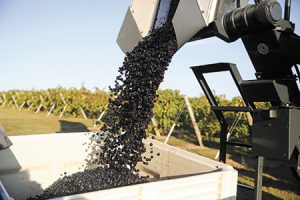
The state’s annual wine-grape harvest generates an economic impact of $600 million, sustains 4,000 full-time jobs, and pays $37 million in state and local taxes.
The platform is designed to track social media posts and use that information to alert emergency responders and event organizers of problems or potential problems within a specified geographical area.
If the Purdue degree is valuable and leads to a well-paying job, Purdue and the student both benefit. If not, Purdue absorbs some or even all the financial pain.
Technological changes in record-keeping do not change the underlying principles of government accountability.

Pretty much every school of note, including Indiana University, Purdue University, the University of Notre Dame, Ball State University and Ivy Tech Community College (which offers a well-regarded two-year associate’s degree certified by the National Security Agency) offers advanced education for students interested in cybersecurity.
Troy, Michigan-based Plex Systems has finalized a deal to acquire Dattus Inc., which was founded by two Purdue University students in 2012 and moved to Indianapolis in 2015.