Despite Thursday’s positive forecasts, Republican state fiscal leaders showed no signs of any spending boosts for the tight budget that took effect July 1.
Lawmakers can meet until mid-March during a non-budget year, but plan to adjourn early to offset the two weeks they spent this month on a failed partisan redistricting proposal.
Lawmakers in both parties view simmering fury over the cost of living as the top issue in next year’s midterm elections and are pitching a growing profusion of proposals to tackle the notoriously difficult problem of affordability.
Gov. Mike Braun became Indiana’s fourth consecutive Republican governor when he was sworn in on Jan. 13, following GOP Govs. Eric Holcomb, Mike Pence and Mitch Daniels. But Braun’s administration has had no interest in carrying the torch of his predecessors.
Indiana was awarded $206.9 million for fiscal 2026 from the rural health care fund. States will be forced to undergo a re-scoring process every year with the Office of Rural Health Transformation.
We appreciate the positive attention on Indiana and its leaders. It’s worth noting that many Hoosiers see the issues the two editorial boards heralded as more complicated than those looking from the outside might assume. So do we.
SUN Bucks provides $120 in grocery benefits across a summer per eligible school-age child. The federal government covers the benefit, and splits administrative costs 50-50 with states.
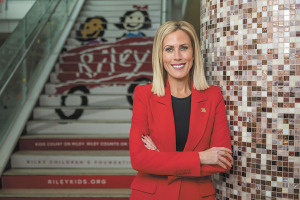
Courtney Roberts’ job is to help ensure that when children with serious illnesses, injuries and conditions must be in the hospital, Riley Health is fully funded to meet their medical and care needs and to advance research to also improve care.
The halfway point of the 2026 legislative session is fast approaching, with next week marking key deadlines for bills to get through their respective chambers.
Rural hospitals are among those that are most affected by the financial challenges facing health care institutions in Indiana, according to a new report released by the Indiana Hospital Association.
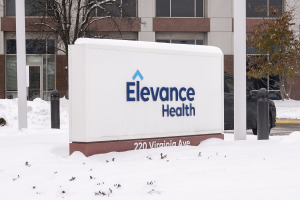
In a call with shareholders Wednesday, Elevance CEO Gail Boudreaux said the Trump administration’s plan to limit federal payments to Medicare Advantage “doesn’t keep pace with the current medical cost and utilization trends.”
Rep. Ed Clere has decided to leave the Indiana General Assembly after 18 years—and says the political changes brought by President Donald Trump have pushed him out of the party.
The new Indiana Council on Fraud Detection and Prevention is expected to focus on federally funded programs administered by state agencies like Medicaid, SNAP and WIC.
The legislation would block government bodies and public universities from enacting any policies that limit cooperation — including of their employees — with federal immigration authorities or laws.
FSSA plans to put out a proposal request for managed care services for the Healthy Indiana Plan, Pathways for Aging, Hoosier Care Connect and Hoosier Healthwise.
The president first teased TrumpRx in September while announcing the first of his more than 15 deals with pharmaceutical companies, including Indianapolis-based Eli Lilly and Co., to lower drug prices.