
Former Bell Aquaculture facilities in Indiana acquired for $14 million
Maynard, Massachusetts-based AquaBounty Technologies plans to produce genetically engineered salmon at the facilities.
Maynard, Massachusetts-based AquaBounty Technologies plans to produce genetically engineered salmon at the facilities.
The departure of Timothy Hassinger comes as Dow AgroSciences’ parent prepares to merge with chemical giant DuPont.
Several states are seeking to join a legal challenge to a Trump administration decision to keep chlorpyrifos on the market, despite some studies showing it can harm children's brains.
The slump marks a sharp turnaround in the egg business. In 2015, an avian influenza outbreak forced farmers to destroy millions of birds and prices skyrocketed.
According to the Indiana Department of Natural Resources, there used to be 219 round and polygonal barns in the state—three times as many as remain standing today.
U.S. Secretary of Agriculture Sonny Perdue announced Monday that Anne Hazlett will lead the USDA's rural development agencies.

As farmers markets have grown increasingly popular in Indianapolis, relationships among vendors, restaurants and foodies have taken root across the city.
The company said it plans to lease a new 140,000-square-foot building in Southtech Business Park where it will process, package and distribute corn, soybean and cotton seed for field testing.

The younger brother of high-tech entrepreneur Elon Musk is bringing two restaurants to the city and funding the installation and operation of modular garden plots at as many 100 local schools.

Greenfield-based Rubicon Agriculture turns discarded shipping containers into self-contained, fully enclosed hydroponics units that cost less than $100,000.
Heavy rains across the state flooded some farmers' fields, and cold weather has also prevented the development of early seedlings and plants.
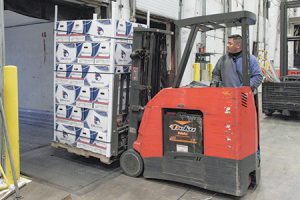
Indianapolis-based Celadon Group Inc. is banking that a new federal food safety rule will help it take a bite out of its competition—in part because smaller carriers won’t be able to afford to comply.

When Dow AgroSciences needed to battle a proposed federal ban on one of its most important products, it drafted an army—its farmers.
Heavy rain in California’s Salinas Valley has squeezed U.S. salad supplies and it may be a several more weeks before supermarket shelves are fully stocked again.
The Trump administration won’t ban a common pesticide sold by the Indianapolis firm, reversing efforts by the Obama administration to bar the chemical based on findings it could hinder development of children’s brains.
The $62 billion deal, which is still awaiting U.S. regulatory approval, would create a huge publicly traded agricultural company that would be based in Delaware but have major operations in Indianapolis.
The $22 million facility will open next year and will employ up to 100 people, the Indiana Economic Development Corp. says.
While corn is still king, farmers from North Dakota to Texas are preparing to use more of their land on soybeans instead. And the reason why is obvious.
A reinterpreted Indiana statute has created headaches for artisan distilleries and farm wineries, as well as tourists with children. A new bill aims to fix the problem.
Brehob, founded in 1969 and employing about 170 workers for most of year, will move its corporate offices from the south side of Indianapolis to Westfield.