
U.S. government moves to stop potential banking crisis
In a sign of how fast the financial bleeding was occurring, regulators announced that New York-based Signature Bank had also failed and was being seized on Sunday.
In a sign of how fast the financial bleeding was occurring, regulators announced that New York-based Signature Bank had also failed and was being seized on Sunday.

In this episode host, Angela B. Freeman talks with Sanchez about diversity, equity and inclusion from a unique and authentic vantage point as a Hispanic male executive in the banking and lending industry.
Banks aren’t reporting signs of trouble in their loan portfolios, but, at the same time, many that were reducing their reserves last year are now building them back up.
The tests vary from year to year, but generally involve the Fed testing to see how steep the losses in the banking industry would be if unemployment were to skyrocket and economic activity were to severely contract.
The three major U.S. banking regulators said Thursday they a plan to rewrite much of the outdated regulations tied to a decades-old banking law designed to encourage lending to the poor and racial minorities in the areas where banks have branches.

The bank was accused in a lawsuit earlier this year of providing disproportionately fewer mortgages to Black borrowers, closing branches in predominantly Black neighborhoods and giving Black people less information during the mortgage-application process.
A number other banks have announced this year—Ally Bank and regional banking giant PNC for example—that they would end overdraft fees or create programs that would greatly lower the chance a customer would get hit with an overdraft fees.

The amount of money banks earn from overdraft fees has dropped significantly since 2019—and observers say that revenue might never rebound to pre-pandemic levels.
All 23 of the nation’s biggest banks are healthy enough to withstand a sudden economic catastrophe, the Federal Reserve said Thursday.
The bank cited specifically the impact that overdraft fees have on Black and Latino households, which are historically poorer than their white counterparts and are hit with overdraft fees more often.
Fishers-based First Internet Bank began assembling its Small Business Administration lending division in late 2018.

Greg Maurer, who has served on the bank’s board since 2013, will take over as chairman.

The Office of the Comptroller of the Currency, which regulates federally chartered U.S. banks, has recently given banks the go-ahead to engage in certain types of cryptocurrency transactions.
High levels of uncertainty, along with other pandemic-related factors, have pushed U.S. commercial bank deposits to record highs since the beginning of the year.
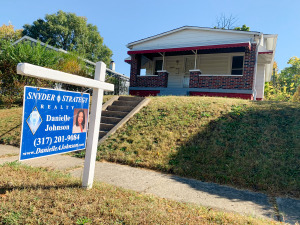
Although redlining—discrimination in banking and lending based on someone’s race or where they live—has been illegal since the Fair Housing Act passed in 1968, analysts at Indiana University’s Public Policy Institute found that inequities in home-loan lending still exist.
The health of the banking sector is a proxy for the U.S. economy, since the banks’ fortunes largely rise or fall depending on whether borrowers are repaying their debts.
The settlement, the largest ever imposed for this type of fraudulent activity, known as spoofing, resolves investigations by the Justice Department, the Securities and Exchange Commission and the Commodity Futures Trading Commission.
In the past 80-plus years, however, credit unions have grown substantially in size and scope, bearing little resemblance to their forebears. Their current clientele often are affluent, and field-of-membership requirements have been stretched beyond recognition.
After months of lockdown during the pandemic, many have become aware of the failings of their homes. Whether you want a cosmetic update or think your home may have a more serious problem, how to pay for a renovation may be your main concern.
The Treasury Department will ramp up the size of the bonds and other securities it auctions across-the-board in the face of the unprecedented borrowing needs.