Prices for the popular powdered tea matcha soar due to global demand
Global demand for the powdered tea has skyrocketed. In the U.S., retail sales of matcha are up 86% from three years ago, according to NIQ, a market research firm.

Global demand for the powdered tea has skyrocketed. In the U.S., retail sales of matcha are up 86% from three years ago, according to NIQ, a market research firm.
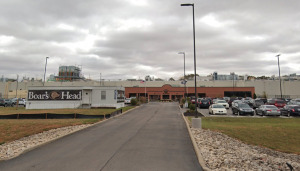
Documents show sanitation problems similar to those that led to listeria contamination persist at three other company sites—including the company’s Indiana plant.
Matcha, the bright-green tea powder from Japan, has become so popular in recent months that producers are straining to meet the surge in global demand.
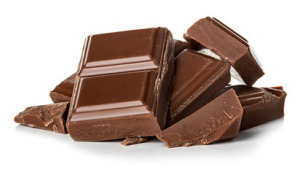
Cocoa prices have more than doubled over the past two years due to poor weather and disease in West Africa, which supplies more than 70% of the world’s cocoa.
Coca-Cola’s flagship product in the United States has been sweetened with high fructose corn syrup since the 1980s.
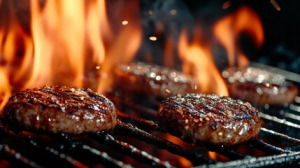
The cost of a cookout in Indiana is slightly higher than that of the national average, according to Indiana Farm Bureau.

Nestle joins Kraft Heinz and General Mills as major food companies to pledge they would remove artificial dyes from their U.S. products.

FreshRealm, a large food producer with sites in California, Georgia and Indianapolis, is recalling products made before Tuesday.

Gov. Mike Braun and Lt. Gov. Micah Beckwith are fans of the new exclusions—and so is U.S. Secretary of Health and Human Services Robert F. Kennedy Jr.
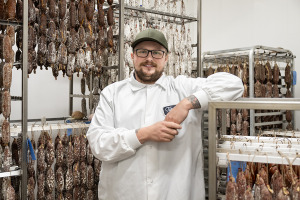
The company launched its production facility in the Bates-Hendricks neighborhood in August, focused on building a nationally recognized meat brand.
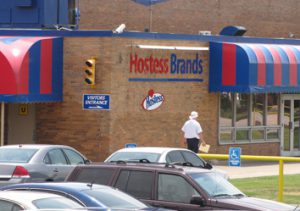
J.M. Smucker Co. said it plans to announce next steps when it reports its fourth-quarter earnings next month.

It would be a sweeping change for U.S. food producers, who would likely replace the dyes with natural substitutes.
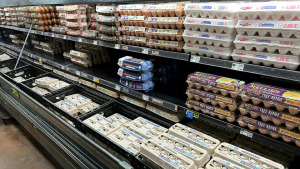
The increase comes even as prices for wholesalers that supply grocery stores have dropped steeply.

Ultraprocessed foods have been linked to a host of negative health effects, from obesity and diabetes to heart disease, depression, dementia and more. And they make up most of the U.S. diet.

For an industry that has to plan well into the future, based on aging its whiskey products, angst is widespread in Kentucky, which produces 95% of the world’s bourbon supply.
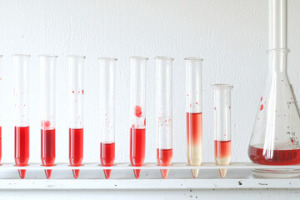
Food manufacturers will have until January 2027 to remove the dye from their products, while makers of ingested drugs have until January 2028 to do the same.
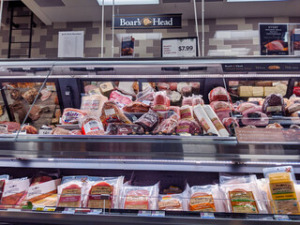
The U.S. Agriculture Department released the inspection records that documented unsanitary conditions at several Boar’s Head deli meat plants, not just the factory that was shut down after a deadly outbreak of listeria poisoning.
The company’s cutbacks come as the overall American whiskey sector faces headwinds that coincide with massive inventories of aging whiskeys that will someday reach the market.
The Food and Drug Administration is on the cusp of deciding whether to ban a controversial bright cherry-red dye that has been linked to cancer in animals.
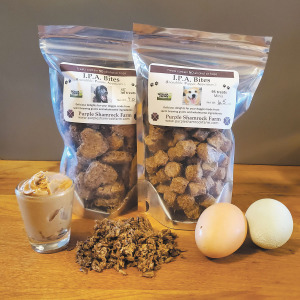
A craft beer maker’s spent brewing grains are used in the production of I.P.A. Bites dog treats.