Lilly rolling out direct-to-employer obesity drug coverage
The Indianapolis-based drugmaker said the coverage would be administered by third-party administrators to provide employers “transparent, flexible cost-sharing options” for their workers.
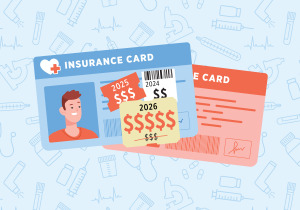
Lawmakers face greater pressure to act as Americans who buy insurance through the Affordable Care Act are seeing, or about to see, the consequences of enhanced subsidies expiring at the end of the year.
Five Indiana marketplace insurers—Anthem, UnitedHealthcare, CareSource, Cigna and Coordinated Care Corp.—will hike premiums an average of 31.4% effective Jan. 1 under plans recently approved by the Indiana Department of Insurance.
SIHO Insurance Services is tackling the gargantuan challenge of growth in the employer-based benefits market in Indianapolis and across the state.
Direct-to-employer health insurance plans, in which an employer contracts directly with a health care network for coverage, restrict provider choice but are generally less expensive for employers and employees.
Indiana lawmakers discovered this legislative session that performing major financial surgery on multibillion-dollar nonprofit hospital systems is a motley and entangled task.
President Trump’s predecessor, Joe Biden, proposed a rule in late November after Trump won re-election that would have extended coverage of drugs like Zepbound and Wegovy.
For Elevance Health and other big insurers, 2024 devolved into something of an annus horribilis over the year’s final weeks. And 2025 holds more challenges but also an opportunity for a rebound.
The company also reported higher medical expenses, mainly from its Medicaid business.
The orders largely direct state agencies to audit current programs and coverage as a means to find health care savings.
Indiana physicians are keeping an eye on the trend of large insurers dropping medical practices from their networks, which they call a classic case of David versus Goliath.
Former Gov. Mitch Daniels first introduced the consumer-driven, cost-sharing approach in 2007 when the state expanded Medicaid to moderate-income workers. Gov. Mike Pence developed the program even further.
A Feb. 21 cyberattack against a Nashville, Tennessee-based medical-billing clearinghouse sent shock waves across Indiana’s health care system.
Nearly 300,000 Hoosiers secured health insurance coverage through the Affordable Care Act Marketplace during the open enrollment period for 2024, part of the record 21.3 million consumers nationally utilizing the program for the upcoming year.
Indianapolis-based Elevance Health, which operates Anthem plans, said that in most cases, it won’t cover Ozempic unless a patient is diagnosed with diabetes and has tried another medication to manage it, but physicians can still prescribe it.
The two companies said the combination builds on a seven-year collaboration in Louisiana through joint ownership of Healthy Blue, which serves Medicaid and Medicare Dual Eligible members.
The proposals aim to lower prescription drug costs, promote competition among physicians and end the practice that allows for inaccurate medical billing in certain circumstances.
The longtime industry standard of negotiating hospital reimbursement as a discount on the hospital’s billed charges is being replaced with fixed rates based on what Medicare would pay for a given service.
Of all the industries in the country, health care might be the juiciest for cyberhackers. And around central Indiana, institutions large and small are paying the price.
Indianapolis-based health insurer Anthem Inc. is suing a former executive, claiming he stole trade secrets, went to work for a direct competitor, and breached a contract involving restricted stock agreements.