Indy homelessness providers delay winter plan, citing warmer weather patterns
Indianapolis won’t open up additional shelter space intended to house people during cold-weather months until Dec. 1 this year, a month later than usual.
The project is being funded through a $12 million commitment from the city along with $20 million approved by the Indiana Housing and Community Development Authority.
The city plans to lease a warehouse just east of the Indianapolis Motor Speedway with capacity for up to 160 individuals.
Additionally, some who had left the Leonard Street camp after initial closure notices and had relocated elsewhere in the neighborhood are also being connected to housing and services.
Streets to Home leaders said a recent 10-person pilot was successful and that stakeholders were able to “accelerate our timeline” to launch the program and get people from the Leonard Street camp housed.
Critics say closing the camp won’t be helpful to the Streets to Home program—an ambitious new cross-agency effort to house more than 300 people living on the city’s streets.
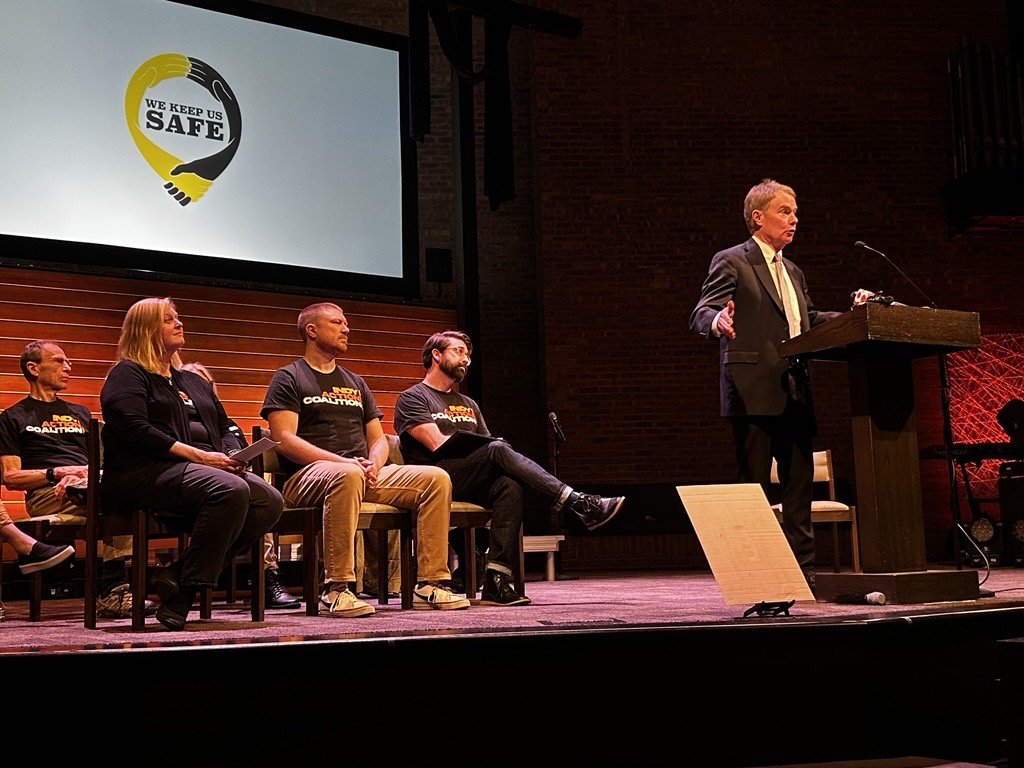
Advocates hope the first phase of the initiative, called Streets to Home, will provide housing and wraparound services to some 300 residents by next year.
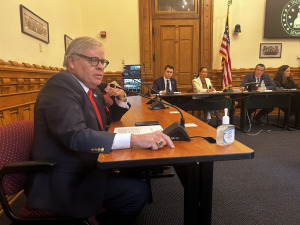
Guests who stayed in the city’s temporary winter shelter have spoken against Andrew Merkley’s nomination to head the Office of Public Health and Safety, arguing the shelter was unfit for families.
Indiana’s proposed public camping ban, which originated with a Texas-based think tank, has now died twice this legislative session.
Language similar to House Bill 1662, which died earlier this legislative session, was amended into a seemingly unrelated bill, raising concerns from Democrats and advocates for the homeless.
House Speaker Todd Huston, R-Fishers, told reporters that lawmakers had good discussions on the bill, but it ultimately didn’t have the support it needed.
A lobbyist for the Indiana Sheriffs’ Association testified House Bill 1662 could put additional strain on already-crowded county jails.
Opponents of the bill testified that the legislation, which mirrors legislation introduced in other states and can be traced to a Texas-based think tank, criminalizes homelessness.
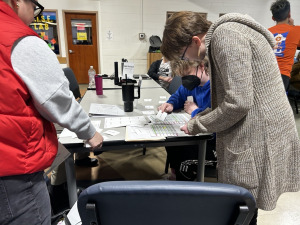
Volunteers departed from the home base at Horizon House on East Washington Street to more than 300 locations where homeless individuals are likely to spend the night.
The economic enhancement district is projected to raise $4.65 million a year in taxes to pay for downtown-focused improvements and programs and fund the operating costs of a low-barrier homeless shelter planned on the southeast side of downtown.
The city is preparing to break ground in the next few months, but some housing-first advocates say the shelter doesn’t further the housing-first goal because it won’t include permanent-housing options.
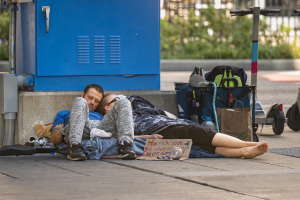
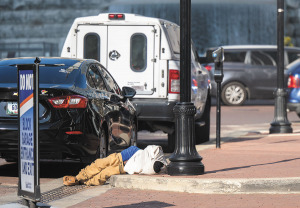
The city of Indianapolis says it has no plans to change the way it deals with homeless residents, despite a recent U.S. Supreme Court ruling that allows cities to move, ticket or arrest people sleeping on the streets.
In a 6-3 decision, the high court reversed a ruling by a San Francisco-based appeals court that found outdoor sleeping bans amount to cruel and unusual punishment.
Under the new law, owners of apartments and single-family homes are exempted from the tax unless they decide to opt in to paying the tax, leaving potential for a large decrease in available funds.
The U.S. Supreme Court on Monday will weigh whether punishing people for sleeping outside when shelter space is lacking is unconstitutional.