

Indiana House committee strikes Senate’s attempt to ban ‘marijuana light’
Lawmakers in the Indiana House nixed an effort by some Senate Republicans to ban the sale of a popular derivative of hemp at levels that can give users a high.
Lawmakers in the Indiana House nixed an effort by some Senate Republicans to ban the sale of a popular derivative of hemp at levels that can give users a high.

A proposed amendment to Indiana’s so-called “divisive concepts” legislation would drop some of the most controversial parts of the bill, but stop short of completely removing a list of concepts that would be banned from the classroom.
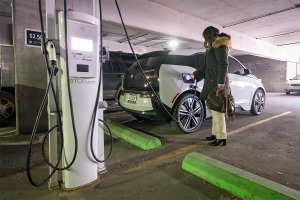
House Bill 1221 outlines parameters for utility regulators to use when considering utilities’ proposals for constructing charging stations and setting consumer rates for their use.

Delta-8 THC, called “weed light” by some, essentially gives a weaker high than marijuana. A derivative of the compound has been selling briskly at hemp and CBD shops around the state in the form of gummies, candy and wax concentrate, thanks to a legal gray area in current state and federal law.
IBJ reporter John Russell joins the podcast to talk about why the Indiana Legislature is consider a proposal that could help clear a path for smaller, modular nuclear reactors to be located in Indiana.

Some once-leery states, including Indiana, are taking a new look at nuclear power as a way to preserve jobs and help decarbonize the electric grid.
Despite Indiana’s economic development successes, industry experts say the state must do more to attract multibillion-dollar megadeals like ones other states have recently landed.
Senate Bill 361 would make it possible for the Indiana Economic Development Corp. to create districts across the state to capture sites for large-scale economic development projects.

Lawmakers are also debating bills about teaching race and gender issues in schools, energy issues and economic development incentives.
Residential homeowners in Indiana already pay 45.6% of the property tax burden and that would rise to 51% by 2026 even without a legislative proposal to reduce the business personal property tax, according to a study commissioned by the Association of Indiana Counties.

Bills that would ban schools from teaching “divisive concepts” and open libraries to prosecution for distributing harmful material have passed the first hurdles of the Indiana Legislature.

One piece of an extensive piece of legislation to restructure the incentive toolkit of the Indiana Economic Development Corp. would create a statewide remote-worker grant program.

The Legislature is considering a bill that could give tourism groups statewide another tool in trying to lure dozens of additional events every year.

Senate Bill 325, authored by Republican Sen. Travis Holdman, chairman of the powerful Senate Tax and Fiscal Policy Committee, would make any retail item purchased July 15-31 exempt from Indiana’s 7% sales tax.
Some teachers fear they would have to water down or eliminate lessons about important events in history if the state passes sweeping new regulations on how they may address race and racism.
The Indiana Senate will not consider contentious Republican-backed legislation that supporters say would have increased parental control over what their kids learn but that teachers and other critics say would have amounted to censorship.
The proposal, which would loosen Indiana’s already lenient firearms restrictions, passed on a largely party-line 63-29 vote despite the opposition of several major law enforcement organizations.
A controversial Indiana bill that Republican lawmakers contend would increase transparency around school curricula has drawn opposition from dozens of teachers who testified Monday at the Statehouse that the legislation would censor classroom instruction.
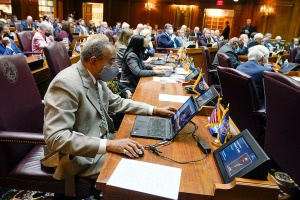
But some Republican legislators still want to cut what they consider the last blemish on the state’s otherwise business-friendly tax structure: the business personal property tax.
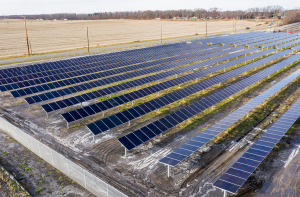
The Indiana Chamber of Commerce is again calling for legislation that it says would remove some of the local hurdles such projects now face.