
Indiana case at U.S. Supreme Court could affect millions of Americans
Advocates for the elderly, poor and people with disabilities say the legal challenge could severely threaten federal benefit programs, like Medicaid.
Advocates for the elderly, poor and people with disabilities say the legal challenge could severely threaten federal benefit programs, like Medicaid.
The cost to Indianapolis-based Eli Lilly and Co. would reach more than $183 million because cases brought under the False Claims Act triple the final judgment. Lilly said it plans to appeal and is confident that it will prevail.
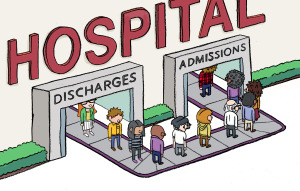
For the 10th straight year, the Centers for Medicare & Medicaid Services is using the pressure of lower reimbursements to get hospitals to improve their numbers and cut down on the revolving door of readmissions.
Indiana’s plan aimed to require those who don’t qualify for exemptions to report 20 hours a month of work or related activity, or face coverage loss.
From February 2020 through January, Medicaid enrollment climbed nationwide by 9.7 million, according to a report based on the most recent available data.
A sizable number of the recipients of federal aid programs such as Medicaid and food stamps are employed by some of the biggest and more profitable companies in the United States.
A Health and Human Services Department official called the report on Seema Verma a “political smear” by “far left politicians.” Before she headed to Washington, Verma was a consultant to former Gov. Mike Pence and designed the Healthy Indiana Plan.
Indiana’s Medicaid director said the state will recover the payments and return the federal share of more than $800,000. The feds say the problem occurred because Indiana did not enter dead beneficiaries’ information in a federal data bank.
The president unveiled an election year budget plan on Monday that recycles previously rejected cuts to domestic programs like food stamps and Medicaid to promise a balanced budget in 15 years—while leaving Social Security and Medicare benefits untouched.
The Trump administration has announced it would allow states to add eligibility requirements, benefit changes and drug-coverage limits, which could limit what the government will spend for certain enrollees.
Starting in July, Indiana began requiring people to work, volunteer or participate in other qualifying activities as a condition for receiving medical benefits under the Healthy Indiana Plan, the state’s biggest Medicaid program.
President Donald Trump and House Speaker Nancy Pelosi could hardly be more at odds—but behind the scenes, they’re still grasping at a bipartisan deal to lower the cost of prescription drugs.
Indiana has become the latest state to implement work requirements for low-income residents who receive their health insurance through Medicaid— a change that opponents warn will cost some under-resourced Hoosiers their health coverage.
The Indiana Family & Social Services Administration says the plan is designed to help bridge the transition from the Healthy Indiana Plan to private health insurance, and help pay for premiums, deductibles, co-pays and other costs.
The Trump administration’s top Medicare official used an annual report on the program’s fiscal outlook to attack proposals by some Democrats to expand government health-care coverage to all Americans.
Arkansas Gov. Asa Hutchinson urged the federal government to appeal a ruling against his state’s requirement that certain people covered by its Medicaid expansion work or lose their coverage. States with similar rules, like Indiana, are closely watching the case.
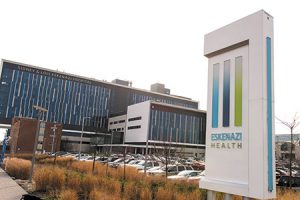
In Indiana, the Centers for Medicare & Medicaid Services is docking 22 hospitals for high rates of infection and patient injuries.
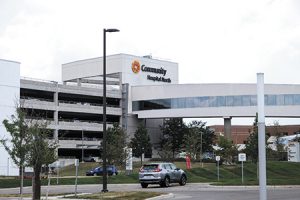
Indiana hospitals are racking up millions of dollars in penalties for having too many patients return for care within a month of discharge.
An estimated 85,000 low-income Hoosiers who receive Medicaid benefits will soon need to find a job, volunteer, get job training, or go to school—or risk losing health care for a few months.

In Indianapolis’ 10 poorest census tracts, 60 percent of residents had not visited a dentist within 12 months, according to an IBJ analysis of CDC and Census Bureau research. But in the 10 tracts with the lowest poverty rates, just 25 percent hadn’t.