Indiana Senate budget strips proposed funding for Martin University
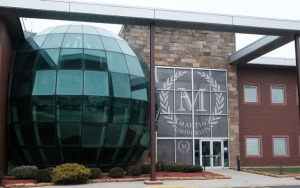
Indiana’s only predominately Black university is slated to miss out on a $10 million cash infusion under a budget proposal introduced by Senate Republicans on Friday.
The most glaring contrast between the Senate and House proposals is the way in which they intend to expand funding to charter schools.
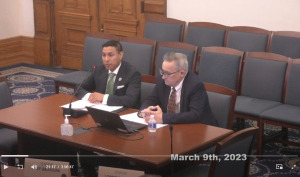
Secretary of State Diego Morales is asking for salary increases for his employees and about $6 million in funding for an election cybersecurity program in the next two-year budget cycle.
The proposed changes could have big impacts for lawmakers, as the bill’s language would change the formula used to calculate pay raises for many–from the governor down to each legislator.
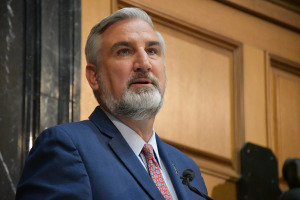
Gov. Eric Holcomb stressed in his State of the State address that further investments are needed in K-12 schools and higher education, workforce training and public health if Indiana expects to meet the talent demands of high-wage employers.
When drafting the state’s next budget, lawmakers will need to consider the state’s ongoing commitments and one-time obligations under the cloud of a potential recession.
The Indiana Economic Development Corp. is asking for $600 million over the next two years for a deal-closing fund, along with a one-time injection of $150 million for a revolving fund for land purchases. Democrats argue that Republicans already have given the agency a “blank check.”
The funding requests are part of the governor’s ambitious $3 billion “Next Level Agenda,” which calls on state lawmakers to approve historic investments in education, public health and state employee salaries.
Republican legislative leaders have been urging caution on new spending, but Gov. Eric Holcomb remains hopeful that his legislative priorities can be funded. See what he had to say in this Q&A.
The lackluster economic forecast comes as Indiana lawmakers prepare to return to the Indiana Statehouse on Jan. 9 to craft a two-year budget and consider funding increases to education, public health and workforce development programs.
Indiana’s English learner population has increased by 52% over the last five years.
Also looking for state support are initiatives related to workforce training, road funding, energy standards and affordable housing.
Republicans, who hold the supermajority, seemed intent on keeping excess spending low, while Democrats urge investing more in education and public health.
As the Legislature prepares to consider Gov. Eric Holcomb’s proposal to return $1 billion of the surplus to taxpayers, some legislators and business leaders question whether that’s the best use of the windfall.
The news comes as state lawmakers prepare to consider Gov. Eric Holcomb’s proposal to send $1 billion to taxpayers in the form of $225 refund checks.
Indiana Gov. Eric Holcomb said Wednesday he now believes the state’s individual income tax rate could be cut while maintaining enough state revenue for additional spending needs in the next state budget to be adopted in 2023.
The State Budget Committee on Thursday projected booming growth in Indiana’s budget surplus, setting up a debate during the upcoming legislative session over possible tax cuts.
The Crawfordsville Republican spent the past eight legislative sessions as chairman of the House Ways and Means Committee and suggests he will propose a tax cut for Hoosiers as he departs the legislature in 2022.
The new state budget adopted in April by the Republican-controlled General Assembly is awash in federal coronavirus relief money, allowing the state to give sizeable funding to projects that had for years been shelved and left out of spending plans.
On My Way Pre-K has also been slow to grow in the six years since its start, and enrollment plummeted during the pandemic by 40%. But the state is expecting increased demand.