
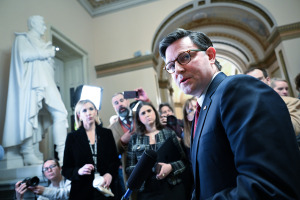
In rebuke, House votes to roll back Trump’s tariffs on Canada
The measure is largely symbolic but it showcases the long-standing frustration some congressional Republicans have with Trump’s controversial trade policies.
The measure is largely symbolic but it showcases the long-standing frustration some congressional Republicans have with Trump’s controversial trade policies.

Moderna President Stephen Hoge said that the company had previously engaged with the FDA on the trial design and that the agency had indicated it would be acceptable.

Stellantis and Samsung SDI formed their Indiana joint venture, StarPlus Energy, in 2021 and began production at a $2.5 billion battery manufacturing plant in Kokomo three years later.

The White House declined to specify how much money had been raised for the project or respond to questions about whether or how contributors could benefit.
On top of automating rote tasks, government agencies have launched hundreds of artificial intelligence projects in the past year, many of them taking on central and sensitive roles in law enforcement, immigration and health care.
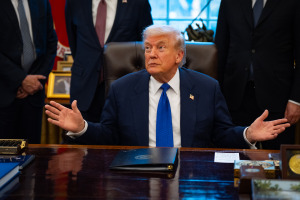
President Donald Trump said at a recent Cabinet meeting that the economy could hit growth “numbers that have never been hit before.”

Getting the average American to work one year longer by starting earlier or retiring later would generate about $3 trillion for the economy, said the administrator of the Centers for Medicare and Medicaid Services.

This shift coincides with a broad reassessment of what the best career paths are in today’s labor market, which economists have called one of the most vexing in generations—especially for entry-level applicants.
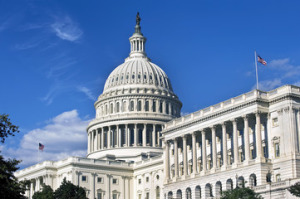
U.S. House Speaker Mike Johnson, R-Louisiana, said Sunday that he is “confident” he will have enough support from Republicans in the House conference to end the partial government shutdown.
While tech companies continue to invest billions of dollars into AI, they’re slashing jobs while touting AI-forward strategies and leaner organizations.

The grocer said this month it will open 180 locations across 31 states this year, including in new markets in the Southeast and West. It’s goal is to have 3,200 stores by the end of 2028.

The divestiture from TikTok’s Beijing-based former parent company, ByteDance, means that the wildly popular app will continue to operate in the United States.
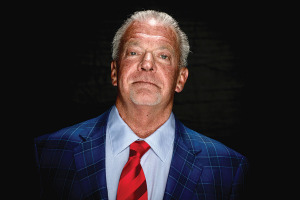
A federal grand jury subpoena shows the agency is seeking records and information relating to Irsay’s death, his “substance (illegal and prescription) use,” and his “relationship with Dr. Harry Haroutunian,” a prominent addiction specialist based in California.
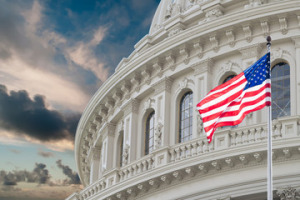
The longest shutdown in U.S. history ended in November when lawmakers funded the government through the end of January, and members in both parties seemed wary of another one now.

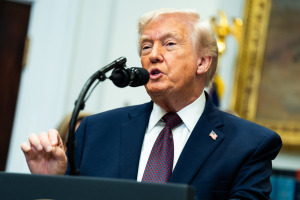
The administration released no legislative text nor timeline for related congressional action and did not indicate whether Republican leaders support the proposal.

The average price faced by ordinary home and apartment dwellers in the U.S. rose by 10% between 2022 and 2024. Commercial users, spanning from small corner stores to data centers, have seen rates increase just 3%.

Tight labor markets have tended to pull more entry-level applicants into the workforce, which, in turn, lowers the average age of people being hired, experts say, but that doesn’t seem to be happening now.
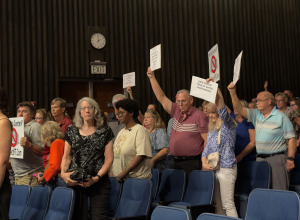
Trump is attempting to ease voters’ concern over the AI build-out as the politics of data centers is rapidly shifting against Silicon Valley and lawmakers who support its push to quickly build hulking structures nationwide.
The change is part of the Trump EPA’s broader goal of slashing regulations, saying they are hindering economic growth.