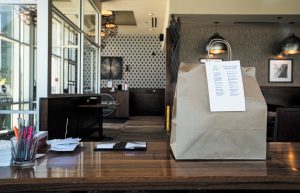
Restaurateurs say protective measures and uncertainty about the lingering pandemic might chill the influx in revenue the industry is hoping for once restaurants are allowed to resume dine-in service.
There are many more filings for jobless aid to come, including millions of independent contractors, gig workers and the self-employed. Most states have not begun approving applications from these pools of newly eligible people.
Banking industry groups say the volume of applications already sent to the Small Business Administration makes it likely that much, if not all, the new money will go to those already in the queue.
The Small Business Administration issued an advisory Thursday clearly aimed at companies like restaurant chains Ruths’ Chris Steak House and Potbelly that received loans under the Paycheck Protection Program.
More than 4.4 million laid-off workers applied for U.S. unemployment benefits last week as job cuts escalated across an economy that remains all but shut down, the government said Thursday.
The $484 billion legislation would increase funding for the Paycheck Protection Program by $310 billion, boost a separate small business emergency grant and loan program, and direct billions to hospitals and a new coronavirus testing program.
The federal rescue measure was designed for companies with fewer than 500 workers, but Small Business Administration guidelines allow some bituminous coal mining firms with up to 1,500 employees to qualify for the loans.
Officials on both sides said the goal was still to pass the agreement at a 4 p.m. Senate session on Tuesday, although it was not certain whether that could be achieved.
Homes are still selling in central Indiana, even as public officials ask us to severely limit personal contact and any non-essential travel outside the home. How? Agents, buyers and sellers quickly adapted to the new state of affairs.
A review of regulatory filings shows that restaurant chains and companies in industries ranging from mining to manufacturing to cruise travel received large amounts.
In Indiana, 118,184 claims were made in the week that ended April 11, down from 127,010. The state was typically seeing less than 3,000 claims per week before the outbreak.
While the NFL has just begun pondering a shortened season, the other major U.S. leagues are already in various stages of exploring their most feasible paths to resumption.
Automobile and clothing store sales collapsed during the month, the Commerce Department said Wednesday. Sales at restaurants and bars also plummeted. But grocery store business soared.
Many parents who now work remotely have been forced to manage their duties as employees, spouses and parents all at the same time and all in the same place. Podcast host Mason King asks human resources expert Liz Malatestinic and local families for strategies for staying organized and ahead of potential meltdowns.
The Capital Improvement Board of Marion County and Visit Indy said they are implementing several cost-cutting maneuvers ahead of expected drops in tax revenue over the next several months.
The problem is that our current systems—the ones that do everything from keeping grocery stores stocked to hospitals functioning—are optimized to work very, very efficiently under normal conditions. But not necessarily when things go sideways.