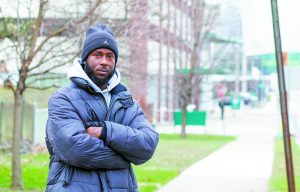
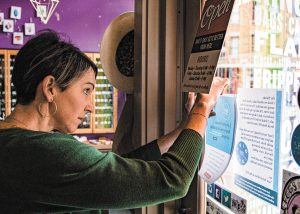
The one-day strikes had little impact on consumers, but the unrest called attention to mounting discontent among low-wage workers who are on the front lines of the pandemic.
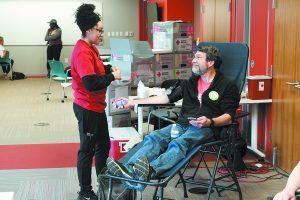
The state said more than 5,300 health care workers who are not currently working in hospital settings have volunteered to help during the projected coronavirus surge, which is expected to begin in mid April.
Sahm’s Restaurant Group has retooled its operations to benefit the not-for-profit Second Helpings and to create a series of marketplaces, where customers can get takeout meals as well as grocery items.
A group called the Gig Workers Collective is calling for a nationwide walk-out Monday. They’ve been asking Instacart to provide workers with hazard pay and protective gear, among other demands.
With most Americans stuck at home working and taking care of their children, payments directly to them will mean rent and mortgages can be paid and groceries can be purchased during this economic crisis.
A big challenge has been that some fundamental assistance—like providing food to low-income or aging individuals and families—doesn’t easily transition to a work-from-home model.
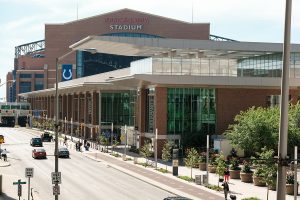
The race—rescheduled for Aug. 23—is on an otherwise open weekend in the city’s summer event calendar, which could fill hotel rooms at a time they would otherwise have been empty.
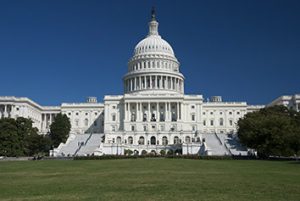
The bill would extend $1,200 to most American adults and $500 for most children, create a $500 billion lending program for businesses, cities and states, and a $367 billion employee retention fund for small businesses.
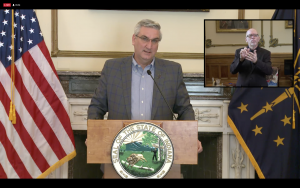
Gov. Eric Holcomb is telling Hoosiers to “hunker down” and stay at home for the next two weeks, except for what’s deemed “essential” business and activity. The order raises a bunch of questions about how it will work and what’s allowed. Here are some answers to those questions.
“It’s your job to survive and to make sure that when these social controls are lifted and everybody starts to come back out that you’re ready for business,” IU’s Phil Powell, an economist at the Kelley School of Business, tells host Mason King.
Many of those workers already live paycheck to paycheck—and a disruption in the flow of those checks could set off long-term financial problems. Foreclosures, evictions, bankruptcies, repossessions and more.
Concerns about the spread of COVID-19 have put in peril thousands of businesses, from restaurants and hotels to airlines and manufacturers of consumer goods.