About 60 entertainment stages, bars and studios across Indiana have joined forces in a new association to fight for government assistance they say is needed to survive.
With a coronavirus vaccine still months off, companies—including Indianapolis-based Eli Lilly and Co.—are rushing to test what might be the next best thing: drugs that deliver antibodies to fight the virus.
People with disabilities are unemployed and underemployed to a greater extent than their able-bodied peers and face lower wages, misunderstanding and limitations on their earning capacity if they must rely on essential things such as attendant care.
Adams, the senior vice president of product engineering at Jobvite, has led the company’s recent advancements on the artificial intelligence front with machine learning and sentiment analysis, as well as analytics.
In 2018, only about 7% of childhood flu shots were administered at pharmacies, according to CDC data. And it’s even rarer for other childhood shots to be given at drug stores.
So far, Elanco has been a textbook case for the benefits of spinoffs—for both the parent company divesting the business and the division gaining its independence.
Lilly and partner Boehringer Ingelheim published results from a trial showing the drug cut the risk of cardiovascular hospitalizations or death by 25%, compared to placebo in heart failure patients.
Wednesday’s results come from 450 people in a mid-stage study testing an antibody jointly developed by Lilly and the Canadian company AbCellera in people with COVID-19 symptoms not severe enough to warrant hospitalization.
The medical school said it is testing the use of tezampanel, an experimental drug for migraines developed by Indianapolis-based drugmaker Eli Lilly and Co., to treat opioid withdrawal syndrome and other addictions and mental illnesses.
A drug company said Friday that a medicine it sells to tamp down inflammation has helped prevent the need for breathing machines in hospitalized COVID-19 patients.
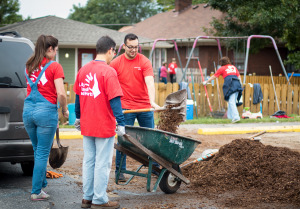
It’s a big pivot for organizations that traditionally create high-visibility fall projects to call attention to volunteerism and community service. In the process, they help dozens of neighborhood groups and scores of not-for-profits, from the United Way of Central Indiana to Keep Indianapolis Beautiful.
For Indy’s employers—large and small—to remain strong, they need a working environment in which the most innovative ideas and strongest strategies emerge, and we believe for most firms, that’s tough to accomplish in a remote work environment.
A long-simmering dispute between Eli Lilly and Co. and safety-net hospitals across the nation over the price of prescription drugs has reached the boiling point.
Bart Peterson, former two-term mayor of Indianapolis, said he returned to the educational not-for-profit to fill a gap left by the death of Christel DeHaan in June.
Eli Lilly and Co. says it has asked the U.S. government to allow emergency use of an experimental antibody therapy based on positive early results from a study.
Shares of Lilly jumped 3.7%, or $5.41, to $149.54 in afternoon trading following the company’s morning announcement that it has asked the U.S. government to allow emergency use of the therapy to treat the disease.
Seemingly sensitive to the fact that his treatment course has been far more comprehensive than the care received by average Americans, he promised to swiftly get the drug approved for broader use.
The pledge “to hold their organizations accountable for driving measurable progress in advancing racial equity” was signed by numerous major employers and organizations in central Indiana.