Solar power hits new milestones in US despite continuing coal push
In May, for the first time, solar supplied more of the nation’s electricity than coal, a report says.
Read MoreIn May, for the first time, solar supplied more of the nation’s electricity than coal, a report says.
Read MoreUnder Trump’s orders, the Energy Department has required fossil-fueled power plants in Michigan, Indiana, Colorado and Washington state to keep operating past their retirement dates.
Read MoreIn a Feb. 17 letter to Energy Secretary Chris Wright, CenterPoint Indiana Region President Michael Roeder said that the continued operation of the six-decade-old F.B. Culley Unit 2 past March could cost up to $18 million.
Environment groups have filed a lawsuit to shut the coal units down.
More than 2-1/2 years later, the project is far from completed, the subsidiary that was overseeing it has been spun off, and the companies are mired in a lawsuit.
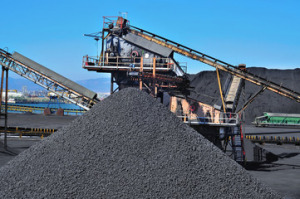
Coal once provided more than half of U.S. electricity production, but its share dropped to about 15% in 2024, down from about 45% as recently as 2010.
The president directed federal agencies to loosen various restrictions on coal mining, leasing and exports.
Customers will see a rate increase of about 5.4% between 2026 and 2031 if Duke receives approval to add to electricity rates over time rather than at once.
Indiana has joined 10 other states in bringing a lawsuit against three of the world’s largest investment companies, with Attorney General Todd Rokita alleging the firms are illegally conspiring to manipulate energy markets.
Indiana utility regulators on Wednesday approved a sweeping plan by AES Indiana to stop burning coal at its massive Petersburg Generating Station, despite opposition from the coal industry and some elected officials.
Hoosier coal advocates pushing for a ban on early coal-fired plant retirements have found allies among Senate leaders. But a key House lawmaker on Thursday publicly signaled opposition.
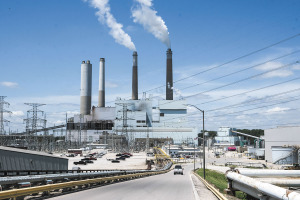
If all goes to schedule, the huge power plant about 125 miles southwest of Indianapolis will convert to natural gas and burn its last load of coal by the end of 2026.
The investment would make AES Indiana the first utility in Indiana to abandon the use of coal as a fuel source, if state regulators agree, the company said.
For the first time, federal regulations will cover the nearly 50 dumps spread across 14 locations in Indiana that were previously exempted from cleanup provisions.
Indiana Attorney General Todd Rokita called the effort an overreach “that threatens the reliability of our power grid and will once again jack up utility costs for regular, everyday Hoosiers.”
Indiana’s Republican gubernatorial candidates overwhelmingly promised a renewed focus on coal—and pushback to federal restrictions—in a survey from a fossil fuels-oriented advocacy group.
State Rep. Cindy Ledbetter introduced the bill this month, saying utilities are moving too fast to retire and replace generating capacity that might be needed as demand for electricity grows.
No date was given for when existing coal-powered plants would have to go, but other Biden regulatory actions and international commitments already in the works had meant no coal by 2035.
The Environmental Protection Agency’s new rule—released last week—would extend monitoring, closure, and cleanup provisions to certain landfills, ponds and other sites for the first time.
More than a third of coal ash sites are in five states, Indiana, Illinois, Ohio, Pennsylvania and Kentucky, according to data compiled by Earthjustice.
An Indiana environmental group says the utility is pumping more than 1 million gallons of contaminated water a day into the river from coal ash ponds at its Eagle Valley Generating Station in violation of the federal Clean Water Act.
New coal plants were added in 14 countries, and eight countries announced new coal projects. The United States, however, saw significant shutdowns of coal-using plants.