
High Alpha’s newest company offers concierge service to online shoppers
Humankind offers its customers–retailers like Saucony, TaylorMade Golf Co. and others–a way to connect with online customers and offer custom product recommendations.
Humankind offers its customers–retailers like Saucony, TaylorMade Golf Co. and others–a way to connect with online customers and offer custom product recommendations.

Philadelphia-based GoPuff, a fast-growing company that entered the Indianapolis market in 2018, currently operates three micro-fulfillment centers here and plans to open two more.
Carmel-based Market Wagon grew from five employees to almost 55 during the pandemic, prompting the need for more operations space. It also plans to expand from 29 to 50 markets by the end of the year.
The e-commerce giant said Monday that it blocked more than 10 billion suspected phony listings last year before any of their offerings could be sold.
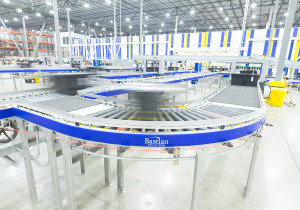
Bastian Solutions, which makes conveyor systems, robotics and other automated materials-handling items often used by the retail industry, has seen growth accelerate because of the pandemic.
Godiva said the pandemic caused customer traffic to decline at its brick-and-mortar stores, though it will continue to sell its products both online and through third-party retail stores.
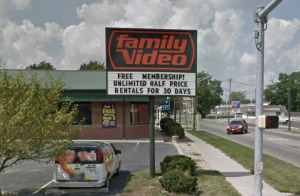
The Illinois-based video rental chain, which opened its first store in 1978, outlasted competitors Blockbuster, Movie Gallery and Hollywood Video, but said it could not withstand the disruptions caused by COVID-19.
The increase fell short of predictions from the National Retail Federation, the nation’s largest retail trade group, which had expected sales to rise between 3.6% and 5.2% this year compared with 2019.

The marketplace it says is open to all artists, regardless of their affiliation with the center or where their wares are displayed.
Fewer Americans shopped during Black Friday weekend, and those who did spent less than they did a year ago. It’s the latest example of how the pandemic has upended consumer habits and created new challenges for retailers.
The big question: How much value does the RadioShack brand have when the prized target audience of younger consumers might have never owned a radio, let alone stepped inside a RadioShack store?
U.S. online holiday sales are expected to shatter previous records. Adobe Analytics, which measures sales at 80 of the top 100 U.S. online retailers, predicts a total of $189 billion in online holiday sales, a 33% increase compared to last year.

Magnolia Boutique—known for its bohemian style built around casual, trendy clothing, shoes and accessories—is an online-only business on track to hit $10.5 million in sales this year, up from $7.9 million in 2019.
Every toy, gadget and good you see on YouTube could soon be for sale online—not on Amazon, but right on YouTube itself.
The San Francisco-based company plans to offer local retailers an online platform where they can reach customers and sell their products.
Called Walmart+, it will cost $98 a year, or $12.95 a month, and give members same-day delivery on 160,000 items and other benefits.
Walmart could make TikTok into an extension of its sales machine, helping advertisers, creators and others sell products.
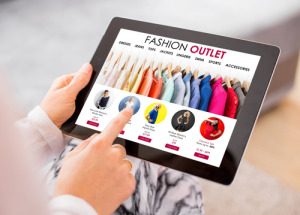
Offering less inventory—a practice that goes against years of steadily expanded assortments of sizes and styles—is in many cases a necessity, not a choice. Even before the pandemic, supply chains were shifting due to the tariff war between the U.S. and China. Now, the global pandemic adds another layer of complexity as new manufacturing centers such as Bangladesh and parts of Central America become virus hot spots as well.
Pedcor Cos. is promoting an e-commerce web site for its Carmel City Center retail tenants, some of whom had sold little or no merchandise online until COVID-19 came along.
Raises will go to workers at Amazon’s warehouses, delivery centers and Whole Foods grocery stores, all of whom make at least $15 an hour.