
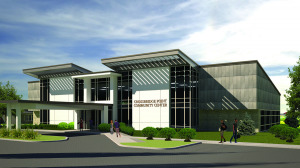
Not-for-profit planning $12M pocket neighborhood in Whitestown
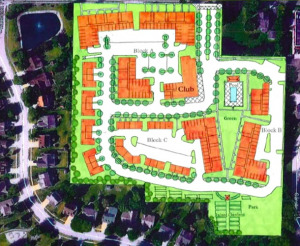
A not-for-profit that helps adults with developmental or intellectual disabilities live in homes of their own is planning to develop the neighborhood on one of three sites in Whitestown.
A not-for-profit that helps adults with developmental or intellectual disabilities live in homes of their own is planning to develop the neighborhood on one of three sites in Whitestown.
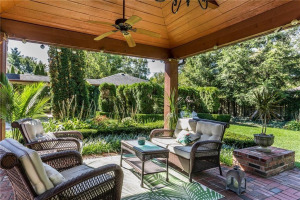
The house—which is on the market for $749,900, listed by Matt McLaughlin at F.C. Tucker Company-Meridian North—features incredible formal gardens and paths with a large koi pond and waterfall.
Jeff Korzenik, chief investment strategist at Fifth Third Bank, said Thursday that homeowners and businesses have become more interested in locating in suburbs and mid-sized cities—a trend that could benefit the Indianapolis area.
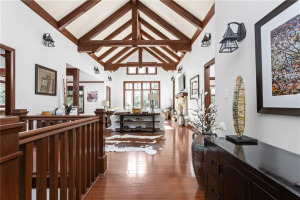
Wood is the star in this $945,000, four-bedroom home on a 2-1/2 acre lot in Zionsville. The wooden beams, the paneling, the kitchen cabinets, the floors and the bar in the basement.
Updated plans for Tremont Town Center call for nine buildings (compared to the original 14) with about 450,000 square feet of office and retail space, plus senior housing, market-rate apartments and row houses.
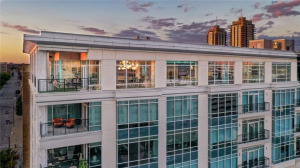
The condo at 429 N. Pennsylvania St. is listed by Derek Gutting with Keller Williams Indianapolis Metro North for $1.695 million.

“Indianapolis is one of the fastest-selling metros in the country,” said Chris Glynn, a senior economist at Zillow, a real estate website and research firm. “The typical home in Indianapolis is selling in five days or less.”
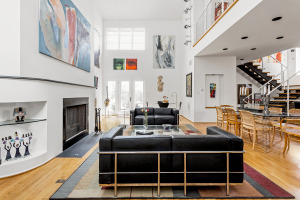
Every wall, nook and corner features original art, almost all of it purchased from central Indiana artists or from the local artists in places where the couple vacationed, including Alaska and Bhutan, a Buddhist kingdom on the Himalayas.
Houses across central Indiana continue to sell quickly, with the average property on the market just 27 days until closing. That’s 13% faster than a year ago, which already was considered a seller’s market.
Indianapolis-based KCG Cos. hopes to build as many as 200 apartment or townhome units for working-class residents, which would be adjacent to a new home for Mt. Paran Baptist Church on Franklin Road.
The Fishers City Council on Monday approved two economic development deals that are expected to lead to a combined $96 million in investment.
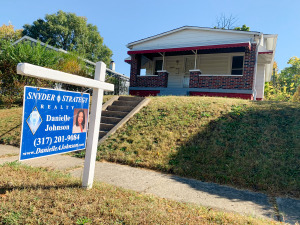
Although redlining—discrimination in banking and lending based on someone’s race or where they live—has been illegal since the Fair Housing Act passed in 1968, analysts at Indiana University’s Public Policy Institute found that inequities in home-loan lending still exist.
The monthly sales increase was the third in a row after a three-month streak of declining sales in the market brought on by the pandemic.
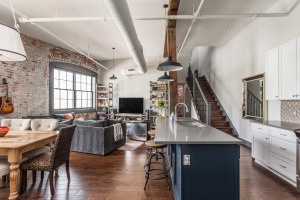
An open-concept room is seemingly free of convention or traditional discipline. It is for this reason that one should tread cautiously when decorating.

The company is slowing its rollout of ambitious commercial projects while turning to residential development as a way to support those signature endeavors.
At least 26 such lawsuits have been filed by property owners this year, claiming that the national eviction moratorium unfairly strains their finances and violates their property rights.
Even though rezoning for the proposed 290-home Grantham neighborhood on the east side of Fishers was denied this week, a new version of the project might be built anyway, the developer said.
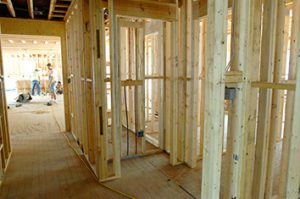
Permit filings are up 12% so far this year compared with the first eight months of 2019, despite the pandemic.
Fishers City Council members weren’t immediately convinced by the large number of proposed rental units in the plan and the developers’ request for $6.1 million in tax increment financing, so a majority voted to reconsider the proposal in 30 days.
The pandemic turned the entire nation into homebodies. Now, architects, builders and interior designers are addressing the pain points that emerged when our homes became our offices, schools and entertainment venues.