IBJ names 20 in their Twenties honorees for 2025
The up-and-coming leaders represent business, the arts and culture, philanthropy, government and community service.
The state agency tasked with protecting utility consumers has asked regulators to reject Duke Energy Indiana’s plan to retire two coal-powered units and replace them with new natural gas units.
The bill will expedite approval processes for large-load customers like data centers and create cost- recovery mechanisms for projects utilities take on to serve those big customers.
Gov. Mike Braun’s new executive orders require the state to develop a statewide water inventory and management plan, and establish a body that will spearhead efforts to reclaim rare earth elements from legacy coal byproducts.
The legislation would expedite approval processes for large-load customers like data centers and set out cost-recovery mechanisms for projects utilities undertake to serve those big customers.
The measure would require a utility or large private-sector project leader to obtain an approval permit before carrying out a project where significant amounts of water are moved from one water basin in the state to another.
In the last year, multiple Big Tech companies have announced four major Indiana developments totaling more than $14 billion, prompting state lawmakers to look for ways to address the intense energy demand.
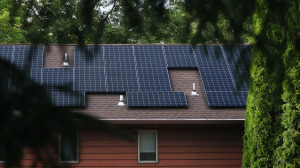
Residents could have solar panels installed on their rooftops. Or a renter could subscribe to community solar “micro-grids” that can reduce their bills.
U.S. District Judge Tanya Walton Pratt ruled that an act signed into law by Gov. Eric Holcomb in 2023 that gives local utilities the right of first refusal on electric transmission projects discriminates against interstate commerce.
Zionsville residents would see their monthly sewer rate increase for the first time in 14 years if a proposed ordinance is passed.
If state regulators approve the settlement, it’ll also apply to new industrial customers with large electric loads.
Funding will go toward updating aging water systems and replacing lead pipes, building and expanding water systems in growing areas and improving cybersecurity systems.
Hoosier coal advocates pushing for a ban on early coal-fired plant retirements have found allies among Senate leaders. But a key House lawmaker on Thursday publicly signaled opposition.
Citizens Action Coalition of Indiana said the huge new data centers planned in the state could lead to skyrocketing utility bills while providing few jobs relative to their energy consumption and the incentives they receive.
One Indiana utility company earned top marks and another pair nabbed no points in a national clean-energy assessment by the left-leaning Sierra Club.
The Indiana Finance Authority approved the loans to support the proposed extension of the Citizens Energy system to provide 25 million gallons of water per day to the LEAP Lebanon Innovation District and surrounding Boone County developments.
Duke Energy Indiana, the state’s largest electric utility, in April filed a request with state regulators for permission to raise rates by about 16% over two years.
The Environmental Protection Agency on Monday issued an alert urging water systems to take immediate actions to protect the nation’s drinking water.
For the first time, federal regulations will cover the nearly 50 dumps spread across 14 locations in Indiana that were previously exempted from cleanup provisions.
The candidates overwhelmingly promised a renewed focus on coal—and pushback to federal restrictions—in a survey from a fossil fuels-oriented advocacy group.