AES Indiana cancels open house, citing social media threats
The Tuesday event, which was canceled an hour before it was set to begin, is one of several public open houses scheduled for this month.

The Tuesday event, which was canceled an hour before it was set to begin, is one of several public open houses scheduled for this month.
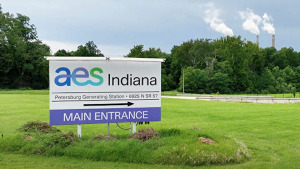
A consortium led by a BlackRock subsidiary and EQT Infrastructure said AES Indiana and AES Ohio will remain “locally operated and managed regulated utilities.”

More than 5,700 flights in and out of the United States were canceled Monday, and a further 2,000 flights scheduled for Tuesday were already grounded.
House Bill 1002 requires the state’s investor-owned utilities to start low-income-customer assistance programs, bans service shutoffs in the summer and moves all customers to “levelized” billing plans.
Two bills from Republican lawmakers could allow businesses, and potentially individual households, to get their electricity from a provider other than their local utility company.

It’s been almost five years since the city joined sustainability-minded municipalities in passing an ordinance that requires owners of large buildings to report their annual utility use. Today, most building owners aren’t complying.
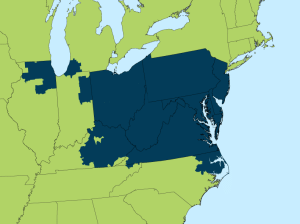
The mid-Atlantic grid operated by PJM encompasses all or parts of 13 states, including Indiana.

The average price faced by ordinary home and apartment dwellers in the U.S. rose by 10% between 2022 and 2024. Commercial users, spanning from small corner stores to data centers, have seen rates increase just 3%.
Currently, 10 states hold general elections for utility regulators. Lawmakers on both sides of the aisle think Indiana should join them.
The change is part of the Trump EPA’s broader goal of slashing regulations, saying they are hindering economic growth.
From utility rates to tenderloin sandwiches, here are some bills IBJ is following this legislative session.
A Democratic representative and a Republican senator have each filed bills to do away with the state sales tax on utility bills. The measure could save the average ratepayer more than $150 a year, but would see the state miss out on hundreds of millions in tax revenue.
As utility companies attempt to bring new power sources online to meet skyrocketing demand, Indiana legislators are considering using performance-based ratemaking to set utility rates.

Construction is set to begin early next year on a $560 million project to send millions of gallons of water each day to Lebanon to meet the demands of the state’s 9,000-acre LEAP Research and Innovation District.
We need higher standards, better coordination and deals that work for residents.
We’re already paying the price, both literally and figuratively, when it comes to AI data centers.
We’re competing for these projects not just with other cities and states but with countries across the globe.

Indiana utility customer advocacy groups on Tuesday released a slate of ambitious reforms they say would promote affordability for struggling residential and small-business ratepayers.

Gov. Mike Braun has made energy a centerpiece of his first year, but his focus isn’t only about generating more electricity to feed growing demand from economic development. He also wants to lower the price of power for business and residential consumers.

The health care system’s plan to meet its energy needs includes working closely with its electricity provider, AES Indiana, building additional backup power systems and operating its own natural gas utility plant for heating and cooling.