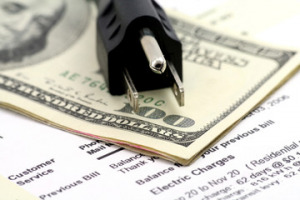
Hoosiers’ electric bills spike 17.5% on average over past year
The statewide average increase was nearly double the prior year’s record increase of 9.3%, the analysis found.
If the proposed increases are approved, customers will see a 7.2% hike in the second quarter of 2026 and then about a 6% increase in January 2027. Those are on top of a 6% increase for previously approved projects in 2026.
The Indiana Utility Regulatory Commission, or IURC, gave approval for an increase of $395.7 million a year for rates and charges, down from the $491.5 million hike requested by Duke—a decrease of 19.5%.
Duke Energy Indiana, the state’s largest electric utility, in April filed a request with state regulators for permission to raise rates by about 16% over two years.
The Indianapolis-based utility said the acquisition would provide $22.2 million in cost savings to customers over the next six years and advance efforts to provide sustainable energy solutions.
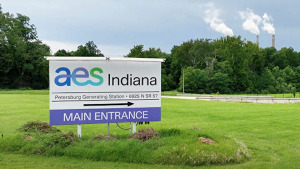
Indianapolis-based utility AES Indiana has agreed to reduce the amount it will charge customers for costs related to the breakdown of its newest power plant from $71 million to $13.7 million under a settlement agreement approved Wednesday by state regulators.
Merrillville, Indiana-based Northern Indiana Public Service Co. asked the Indiana Utility Regulatory Commission this week to approve the rate increase over two years for its 470,000 customers across 32 northern Indiana counties.
AES Indiana, formerly known as Indianapolis Power & Light Co., is asking state regulators for permission to increase prices under a mechanism that allows it to adjust prices based on fluctuations in the cost of fuel.
Duke Energy Indiana wants to spend about $1.9 billion to upgrade its electric grid, a move it says would result in few and shorter power outages and would harden the grid against severe weather.
Bill Fine, the Indiana Utility Consumer Counselor, wrote in a filing that “after receiving base rate increases in 2018 and 2020, I&M has not made the case for this increase at this time.”
The utility wants permission to pass along the cost of those incentives to all of its 500,000 customers in the state in the form of higher rates in coming years, whether or not they drive an electric vehicle.
The Indiana Utility Regulatory Commission ruled Monday that Duke Energy, the state’s largest electricity provider, could collect an additional $146 million a year from customers. That’s down sharply from Duke Energy’s original request.
More than 2,300 people have complained by email to the Indiana Utility Consumer Counselor, which is on track to become the largest number of complaints for any single case in at least a decade.
Fishers Mayor Scott Fadness isn’t the first person to bash the utilities and the Indiana Utility Regulatory Commission over the matter. Thousands of consumers have written letters and emails protesting the request.
IPL said a typical household customer would likely pay an extra $1.50 a month in the first year. That monthly amount would increase by $1.50 each year, or by a total of $10.50 a month by the seventh year.
An energy cooperative announced Tuesday it will close a southwestern Indiana power plant in 2023, affecting 185 workers.
It’s an unusual rebuke from the Utility Consumer Counselor Bill Fine, who often recommends that state regulators cut a utility’s proposed rate increase, but rarely says the entire hike should be denied.
Key parties in the case have asked state regulators to order Duke to refile all its work papers and exhibits, with formulas and linked spreadsheets.
Although the petition doesn’t say how much the utility will seek from customers, a Vectren spokeswoman said the project will cost $164 million.
That’s a steeper increase than any other electrical utility in the state except Indiana Michigan Power and Auburn Municipal, according to the Indiana Utility Regulatory Commission.